

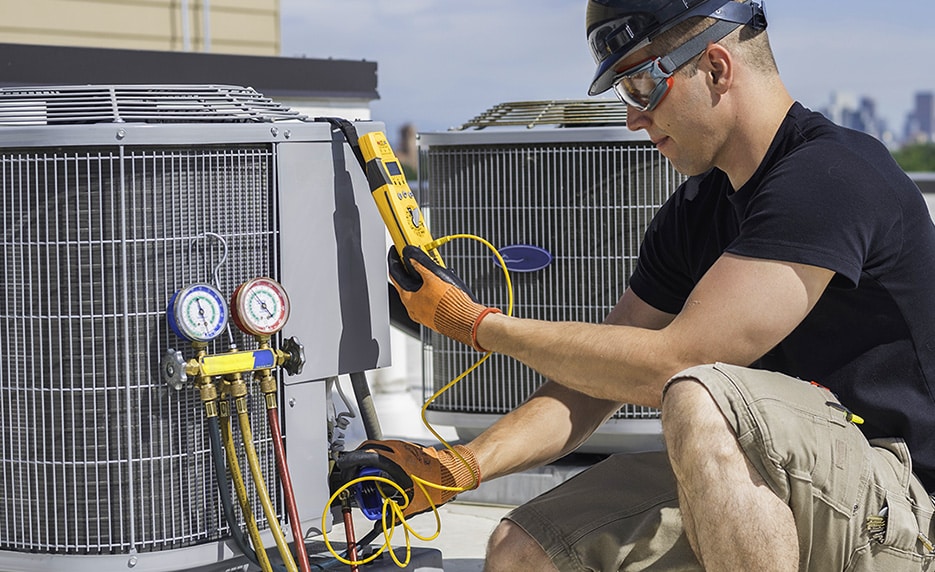
A career in the skilled trades offers strong job security, practical hands-on work, and long-term growth opportunities. Among the most in-demand fields today is HVAC (Heating, Ventilation, and Air Conditioning), which plays a critical role in residential, commercial, and industrial environments. As technology advances and energy efficiency becomes more important, trained HVAC professionals are increasingly needed across the United States. For individuals in Nevada seeking a fast, career-focused path, training programs like those found at Quality Technical Training Center provide structured, hands-on education designed to prepare students for real-world work in the field.
This guide will explain how HVAC training works, what skills you need, career opportunities, certification requirements, and how trade schools can help you enter the workforce quickly and effectively.
Why Choose a Career in HVAC?
HVAC is one of the most stable and essential trades in modern infrastructure. Every building—homes, offices, hospitals, and factories—relies on heating and cooling systems to maintain safe and comfortable environments.
Key Reasons HVAC Is a Strong Career Choice:
- High demand across all states
- Strong earning potential
- Job stability even during economic downturns
- Opportunities for specialization
- Hands-on, practical work environment
Unlike many office-based careers, HVAC provides a clear skill-to-job pathway with minimal barriers to entry.
What HVAC Technicians Actually Do
HVAC technicians install, maintain, and repair systems that control indoor climate and air quality.
Core Responsibilities Include:
- Installing heating and cooling systems
- Diagnosing mechanical and electrical issues
- Performing routine maintenance
- Replacing faulty components
- Ensuring energy efficiency and system safety
Technicians often work in residential homes, commercial buildings, and industrial facilities, making the job both varied and dynamic.
Skills Needed for HVAC Success
While HVAC is a technical field, it does not require a traditional four-year degree. Instead, it relies on practical training and technical understanding.
Essential Skills:
- Mechanical aptitude
- Basic electrical knowledge
- Problem-solving ability
- Attention to detail
- Physical stamina
- Customer communication skills
Strong technicians combine technical knowledge with the ability to diagnose problems quickly and efficiently.
Importance of Trade Schools in HVAC Training
Trade schools play a major role in preparing students for HVAC careers. Unlike traditional education, these programs are focused, short-term, and skill-based.
Benefits of Trade School Training:
- Hands-on learning environment
- Faster completion time compared to college
- Industry-focused curriculum
- Job-ready skills upon graduation
- Certification preparation
Programs are designed to transition students directly into entry-level roles or apprenticeships.
What You Learn in HVAC Training Programs
HVAC training covers both theoretical knowledge and practical application.
1. Heating Systems
Students learn about furnaces, boilers, and heat pumps.
2. Air Conditioning Systems
Training includes installation and maintenance of cooling systems.
3. Electrical Fundamentals
Understanding wiring, circuits, and safety protocols is essential.
4. Refrigeration Principles
Students study refrigeration cycles and system components.
5. EPA Certification Preparation
Handling refrigerants safely requires EPA certification, a key requirement in the industry.
Certification Requirements for HVAC Technicians
Certification is an important part of becoming a professional HVAC technician.
Common Certifications Include:
- EPA Section 608 Certification
- HVAC Excellence Certification
- NATE Certification (optional but valuable)
These certifications demonstrate competence and are often required by employers.
Career Opportunities in HVAC
Once trained, HVAC professionals can pursue a wide range of job roles.
Entry-Level Positions:
- HVAC installer
- Maintenance technician
- HVAC assistant
Advanced Roles:
- Service technician
- System designer
- Project manager
- Business owner
With experience, many technicians eventually start their own contracting businesses.
HVAC Industry Demand in Nevada
Nevada, especially Las Vegas, experiences extreme temperature variations, making HVAC systems essential year-round.
Factors Driving Demand:
- Hot desert climate
- Growing residential and commercial development
- Increased energy efficiency standards
- Aging HVAC infrastructure
This creates consistent job opportunities for trained technicians in the region.
Benefits of Short-Term Training Programs
Short-term HVAC programs are ideal for individuals who want to enter the workforce quickly.
Advantages:
- Faster career entry (months instead of years)
- Lower education costs
- Focused skill development
- Immediate job readiness
These programs are especially beneficial for career changers or recent high school graduates.
What to Expect in Hands-On Training
Practical training is a core part of HVAC education.
Training Activities Include:
- Installing HVAC units
- Troubleshooting system failures
- Working with electrical components
- Learning safety procedures
- Using diagnostic tools
Hands-on experience ensures students are confident in real job environments.
Job Outlook and Salary Potential
HVAC continues to show strong job growth across the U.S.
Key Insights:
- Consistent demand for skilled technicians
- Competitive entry-level wages
- Higher earning potential with experience and certifications
- Overtime and emergency service opportunities
Experienced technicians often earn significantly more due to specialized skills.
Common Challenges in HVAC Work
Like any skilled trade, HVAC comes with challenges.
Physical Demands
Technicians often work in tight spaces, rooftops, or outdoor environments.
Weather Conditions
Jobs may involve extreme heat or cold depending on the system being serviced.
Technical Complexity
Modern HVAC systems require continuous learning and adaptation.
Despite these challenges, the career remains highly rewarding.
Tips for Succeeding in HVAC Training
1. Stay Consistent
Regular practice helps build strong technical skills.
2. Focus on Safety
Always follow proper safety procedures when working with electrical systems.
3. Learn Troubleshooting
Understanding how to diagnose problems is key to success.
4. Ask Questions
Engage with instructors to deepen your understanding.
5. Gain Real Experience
Hands-on practice is more valuable than theory alone.
Future of the HVAC Industry
The HVAC industry is evolving rapidly due to technology and environmental concerns.
Emerging Trends:
- Smart HVAC systems
- Energy-efficient technologies
- Eco-friendly refrigerants
- Automation and remote diagnostics
Technicians who stay updated with new technologies will have the best career opportunities.
Final Thoughts
HVAC is a practical, stable, and rewarding career path for individuals who want hands-on work and long-term job security. With strong demand across states like Nevada and especially in cities such as Las Vegas, trained professionals are essential to keeping residential and commercial environments comfortable and safe.
For those ready to begin a structured and career-focused learning path, exploring programs through Quality Training Centers can be a strong first step. To learn more about training opportunities and certification programs, visit Quality Technical Training Center and take the first step toward building a skilled trade career in HVAC and beyond.
