

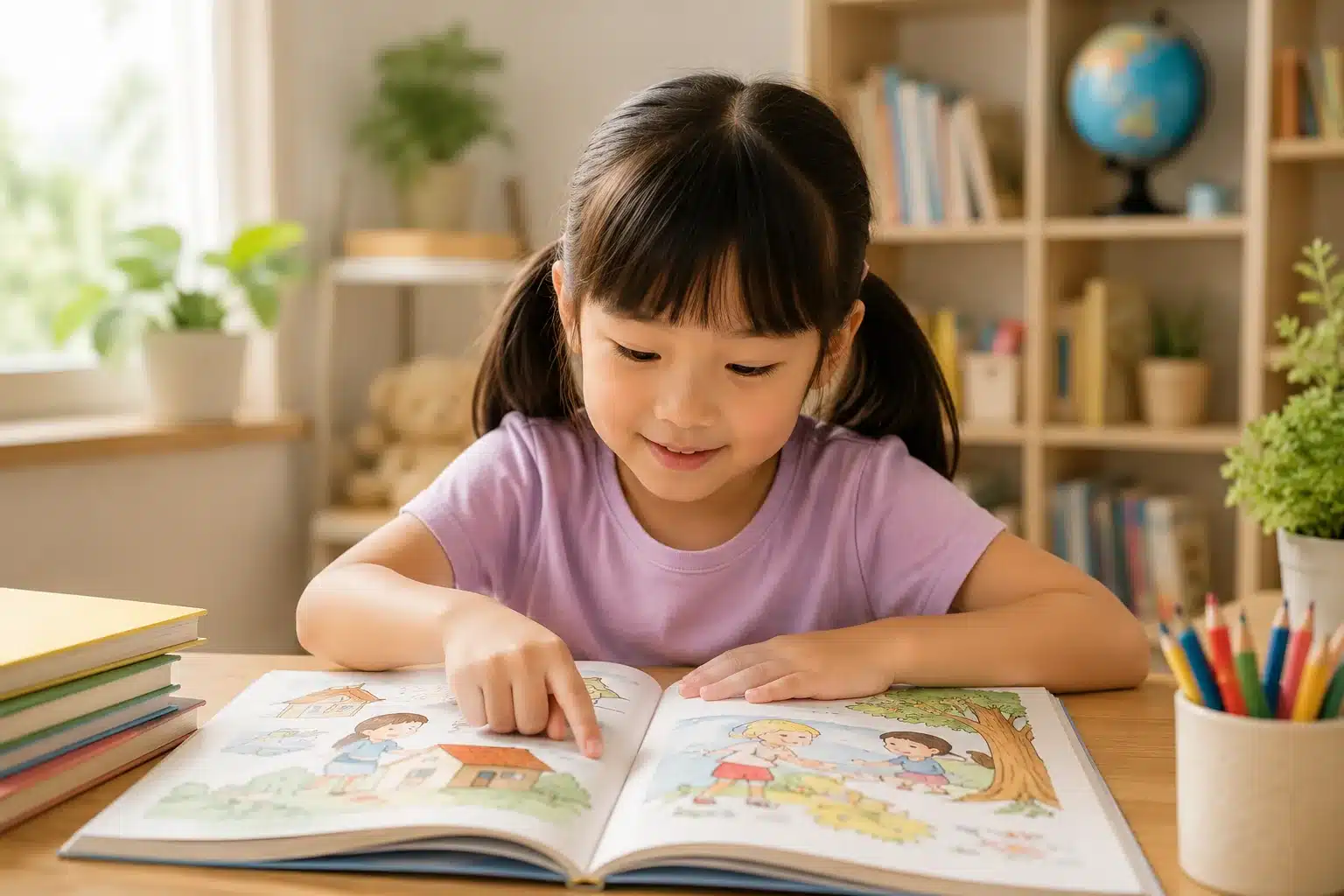
Primary 1 is a crucial stage where children begin their formal journey into structured language learning. At this level, building strong reading skills in Chinese is especially important because it lays the foundation for vocabulary development, comprehension, and overall language confidence. When students are introduced to reading early in an engaging and structured way, they are more likely to develop a positive attitude toward the language.
An effective Primary 1 Chinese story book can play an important role in helping young learners understand basic sentence structures, recognise common characters, and gradually build reading fluency. With the right learning support, children can transition from simple word recognition to meaningful sentence understanding more confidently.
Early Exposure Builds Language Familiarity
At Primary 1 level, children are still developing basic language awareness. Regular exposure to Chinese stories helps them become familiar with sentence patterns, tones, and commonly used vocabulary.
A primary Chinese book designed for early learners can help students:
- Recognise frequently used Chinese characters
- Understand simple sentence structures
- Improve listening and reading connection
- Develop basic language confidence
Early exposure makes the language feel more natural and less intimidating over time.
Story-Based Learning Improves Engagement
Children often learn better when lessons are presented in a story format. Storybooks make reading enjoyable and help students stay interested while learning new words and sentence patterns.
A Primary 1 Chinese story book usually includes simple narratives that allow children to:
- Follow easy-to-understand storylines
- Learn vocabulary in context
- Connect words with visual illustrations
- Build curiosity about reading
Engaging content encourages students to read more frequently, which naturally improves reading ability.
Vocabulary Growth Happens Naturally Through Reading
One of the biggest advantages of story-based learning is that students learn new words in context instead of memorising them in isolation.
As children read regularly, they begin to:
- Understand word meanings through context
- Remember new vocabulary more easily
- Use words in simple sentences
- Expand their language exposure gradually
This natural learning process supports long-term language development.
Improving Reading Fluency Through Practice
Reading fluency improves when students practise regularly with age-appropriate materials. Primary 1 learners benefit from short and simple reading passages that build confidence step by step.
A structured primary Chinese book supports fluency development by encouraging:
- Repeated reading of simple texts
- Gradual increase in reading difficulty
- Familiarity with sentence rhythm
- Better pronunciation awareness
Over time, students become more comfortable reading independently.
Visual Support Enhances Understanding
At early learning stages, visual elements play a major role in helping children understand content. Illustrations, pictures, and guided visuals make reading more interactive and meaningful.
Visual learning helps students:
- Understand the story context more clearly
- Connect words with images
- Improve memory retention
- Stay engaged during reading sessions
This combination of visuals and text strengthens comprehension naturally.
Building Confidence Through Small Achievements
Children often feel more motivated when they experience small successes during learning. Completing short stories or understanding simple passages can build confidence gradually.
A good Primary 1 Chinese story book encourages students to:
- Complete short reading tasks successfully
- Understand basic story meanings
- Feel confident about their progress
- Develop positive learning habits
Confidence plays a key role in maintaining long-term interest in reading.
Developing Comprehension Skills Early
Reading is not only about recognising words but also about understanding meaning. Early comprehension practice helps students develop stronger thinking skills.
Through guided reading activities, children learn to:
- Identify main ideas in stories
- Answer simple comprehension questions
- Understand character actions and events
- Improve logical thinking through reading
These skills become increasingly important in higher levels of learning.
Encouraging Independent Reading Habits
As children become more confident, they should be encouraged to read independently. Independent reading helps students develop responsibility and improves learning consistency.
A structured primary Chinese book supports independent learning by providing:
- Simple instructions for self-reading
- Gradual progression in difficulty
- Clear story formats
- Engaging and age-appropriate content
Independent reading habits support long-term academic growth.
Consistency Is Key to Improvement
Language learning requires regular exposure. Short but consistent reading sessions are more effective than occasional long study periods.
Parents can support consistency by:
- Setting daily reading routines
- Encouraging short reading sessions
- Revising stories together occasionally
- Creating a positive reading environment
Consistent practice leads to steady improvement over time.
Final Thoughts
Improving reading skills in Chinese at Primary 1 requires structured learning, engaging content, and consistent practice. A well-designed Primary 1 Chinese story book helps students build vocabulary, improve comprehension, and develop confidence in reading step by step.
With the right combination of storytelling and structured learning support, children can develop strong language foundations early in their academic journey. Through carefully designed educational materials and progressive learning resources, SAP Books Singapore continues to support students in building strong Chinese language skills for long-term academic success.
Frequently Asked Questions
1. How does a Primary 1 Chinese storybook help reading skills?
It helps students improve vocabulary, comprehension, and reading fluency through simple stories and structured language exposure.
2. Why is early Chinese reading important?
Early reading builds language familiarity, improves confidence, and helps children develop stronger communication and comprehension skills.
3. Can storybooks improve Chinese vocabulary?
Yes, storybooks introduce new words in context, helping students understand and remember vocabulary more effectively.
