

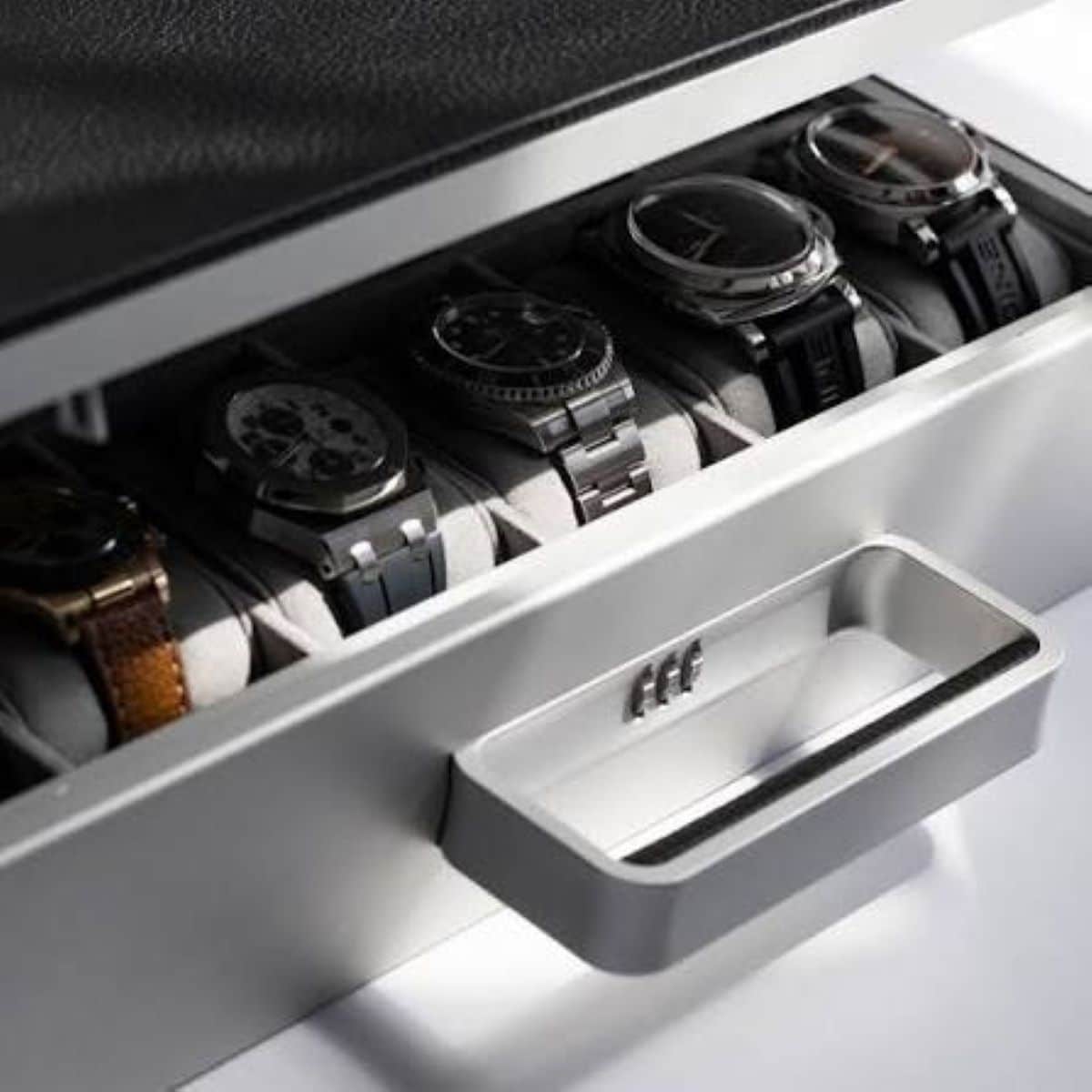
A fine timepiece deserves more than a nightstand drawer. For men who invest in quality watches, proper storage isn’t merely about organization—it’s about preserving value, preventing scratches, and displaying a collection with the respect it commands. Yet when shopping for the perfect watch box for men, buyers face a compelling dilemma: should they choose a locally crafted piece with artisanal character and personalized touches, or trust a global brand with decades of reputation behind its name? The answer isn’t straightforward. It depends on how you weigh factors like high-quality craftsmanship, ethical local manufacturing practices, fair value for your investment, and reliable product quality assurance. Each path offers distinct advantages, and understanding these differences separates a satisfying purchase from buyer’s remorse. This guide walks you through the critical considerations—from materials and construction techniques to pricing transparency and verification methods—so you can confidently select a watch box that matches both your collection and your values.
The Essence of High-Quality Craftsmanship in Watch Boxes
High-quality craftsmanship in a watch box reveals itself through three pillars: durability that withstands decades of daily use, aesthetics that complement the timepieces within, and attention to detail that separates functional storage from a worthy display piece. A well-crafted watch box should feel substantial in hand, close with a satisfying precision, and protect each watch from dust, moisture, and accidental contact. The interior cushions must hold watches securely without compressing bracelets, while the exterior should resist wear gracefully over time.
Materials Matter: Wood, Leather, and Finishes
The foundation of any exceptional watch box begins with material selection. Solid hardwoods like walnut, mahogany, and ebony offer natural beauty, structural integrity, and resistance to warping that engineered alternatives simply cannot match. Full-grain leather—distinguished from corrected or bonded leather by its visible natural texture—develops a rich patina with age rather than cracking or peeling. Interior linings of genuine suede or microfiber protect crystal faces and polished cases from abrasion. Finishes matter equally: hand-rubbed lacquer builds depth through multiple thin coats, while cheaper spray finishes may yellow or chip within months. A piano-gloss finish demands fifteen or more layers of lacquer with sanding between each application—a process that reveals whether a manufacturer prioritizes longevity over speed.
Artisanal Techniques vs. Mass Production
Handcrafted watch boxes benefit from a maker’s adaptive judgment. An artisan selects individual wood panels for grain consistency, adjusts joinery tolerances by hand, and can customize compartment sizes for oversized dive watches or slim dress pieces. These boxes often feature dovetail joints, hand-stitched leather, and individually fitted hinges. Mass production, by contrast, optimizes for uniformity and cost efficiency. CNC machines cut components identically, and assembly-line workers follow fixed specifications. The result is consistent but rarely exceptional. High-quality craftsmanship lives in the space between these approaches—where skilled hands make decisions that machines cannot, producing pieces with character that factory output lacks.
Local Manufacturing: Transparency and Ethical Considerations
Choosing a locally manufactured watch box extends beyond product quality—it represents a conscious decision to support community economies, reduce carbon footprints from overseas shipping, and ensure fair labor conditions. Local manufacturing offers buyers something global supply chains often obscure: visibility into how and where their purchase was made. When a workshop operates within your region, you can trace materials to their source, understand the working conditions of craftspeople, and verify that environmental regulations are being followed. This transparency matters increasingly to quality-conscious consumers who recognize that ethical production and superior products go hand in hand. Local artisans typically source timber from sustainable regional forests, use water-based finishes with lower volatile organic compounds, and operate under labor laws that guarantee fair wages and safe conditions.
How to Verify Local Manufacturing Claims
Not every brand marketing itself as “locally made” delivers on that promise. To verify claims, start by requesting information about the specific workshop location and whether you can visit. Legitimate local manufacturers welcome transparency. Look for certifications such as regional trade association memberships, sustainability credentials, or fair-trade labels relevant to your country. Review their sourcing reports—reputable makers openly share where they obtain wood, leather, and hardware. Check business registrations and look for behind-the-scenes content showing actual production processes. Engage directly with the maker through email or social media; artisans passionate about their craft typically respond with detailed knowledge about their methods and materials that resellers cannot replicate.
Case Studies: Success Stories of Local Artisans
Across various markets, small-batch watch box makers have built devoted followings by prioritizing integrity over volume. Consider workshops that began in single-car garages, crafting boxes from locally salvaged hardwoods, and grew through word-of-mouth among watch collector communities. These makers often collaborate directly with clients—adjusting compartment depths for specific watch models, incorporating family crests into lid designs, or using reclaimed wood with documented provenance. Their success demonstrates that local manufacturing thrives when artisans combine high-quality craftsmanship with genuine relationships, proving that scale isn’t a prerequisite for excellence.
Defining Fair Value in Men’s Watch Boxes
Fair value in a watch box isn’t about finding the cheapest option—it’s about ensuring every dollar spent translates into tangible quality, longevity, and satisfaction. A fair value product delivers materials, construction, and design proportionate to its asking price, without hidden markups inflating costs beyond what the physical product justifies. Understanding where your money actually goes helps distinguish genuine value from overpriced mediocrity.
Cost Breakdown: Where Your Money Goes
Every watch box price reflects a combination of raw materials, skilled labor, overhead, branding, and retail margins. With local artisans, a larger percentage typically flows directly into materials and craftsmanship—often 60 to 70 percent of the final price covers wood, leather, hardware, and the maker’s time. Global brands allocate significant portions to marketing campaigns, international distribution networks, retail partnerships, and brand licensing. A globally branded box might dedicate only 30 to 40 percent of its retail price to actual production costs. Neither model is inherently wrong, but awareness of this distribution empowers buyers to decide whether they’re paying for the object itself or the logo attached to it.
Comparing Price Points: Local vs. Global
Local craftsmen frequently offer mid-range pieces that rival or exceed global brands in material quality while undercutting them on price—simply because overhead remains lower. However, global brands deliver consistency across units and often include standardized accessories like polishing cloths, travel pouches, or modular inserts. At the entry level, global brands may offer better value through economies of scale—companies like VLANDO, for instance, have built a reputation in the jewelry and watch storage space by offering well-constructed organizers at accessible price points. At higher tiers, local makers typically provide superior materials and bespoke features for equivalent or lower investment. The key question becomes whether you prioritize customization and material integrity or brand recognition and standardized convenience—both represent fair value when aligned with your expectations.
Product Quality Assurance: Key Indicators and Checks
Product quality assurance separates confident purchases from gambling with your money. Whether you’re considering a local artisan’s creation or a global brand’s offering, verifiable indicators of quality exist beyond marketing language and attractive photography. Reliable watch boxes come backed by measurable commitments—guarantees that the maker stands behind their work and that independent voices confirm the product performs as promised. Knowing what to examine before purchasing protects your investment and ensures the box you choose will safeguard your timepieces for years rather than months.
Warranty and Return Policies
A manufacturer’s warranty reveals their confidence in their own product. Watch boxes backed by warranties of two years or longer signal that the maker expects their materials and construction to endure real-world use without failure. Pay attention to what the warranty actually covers—does it address hardware defects like broken hinges and faulty clasps, or does it extend to material issues such as leather delamination and wood splitting? Equally important is the return policy. A hassle-free return window of at least thirty days allows you to physically inspect the box, test how your watches fit within the cushions, and assess build quality firsthand. Makers who resist offering returns often do so because they anticipate dissatisfaction. Local artisans frequently offer lifetime repair services as an alternative to traditional warranties, which can represent even stronger assurance since they maintain an ongoing relationship with each piece they create.
Independent Reviews and Certifications
Third-party validation removes the bias inherent in a brand evaluating its own products. Seek out reviews from watch enthusiast forums, collector communities, and independent bloggers who purchase boxes with their own funds rather than receiving promotional samples. These reviewers test durability over months of use, photograph interior wear patterns, and compare products across brands without commercial motivation. Industry certifications add another layer of credibility—look for ISO quality management standards, forestry certifications like FSC for sustainably sourced wood, or leather working guild memberships that require adherence to material standards. When both customer reviews and formal certifications align positively, you can trust that product quality assurance extends beyond the manufacturer’s own claims into verified, repeatable performance.
Step-by-Step Guide to Choosing Your Ideal Watch Box
With a clear understanding of craftsmanship standards, manufacturing ethics, fair pricing, and quality assurance indicators, you’re equipped to make a decision that serves both your collection and your principles. The following steps translate knowledge into action, guiding you from initial assessment through final purchase with confidence.
Step 1: Define Your Requirements
Begin by taking inventory of your current collection and anticipating future growth. Count your watches and add two or three extra slots for acquisitions you haven’t made yet. Measure your largest timepiece—if you own dive watches exceeding 44mm or pieces with thick NATO straps, you’ll need oversized cushions and deeper compartments. Consider where the box will live: a bedside table demands a compact footprint, while a walk-in closet accommodates larger display cases. Establish your budget range honestly, recognizing that a well-made box protecting thousands of dollars in watches represents a sensible investment rather than an indulgence. Finally, decide on aesthetic direction—do you prefer the warmth of natural wood grain or the sleekness of leather-wrapped exteriors?
Step 2: Research Brands and Makers
Cast a wide net initially. Search watch enthusiast forums for recommendations from collectors who share your taste and budget. Browse local artisan marketplaces and craft directories for regional makers, then explore established global brands through authorized retailers. Create a shortlist of five to eight options spanning both local craftsmen and international names. Examine each maker’s online presence for production details, material sourcing information, and customer testimonials that go beyond surface-level praise into specifics about durability and functionality over time.
Step 3: Evaluate Based on Key Criteria
Apply everything you’ve learned systematically. Score each shortlisted option across four dimensions: high-quality craftsmanship evident in materials and construction methods, local manufacturing transparency and ethical production verification, fair value relative to what you’re actually receiving, and product quality assurance through warranties and independent validation. Weight these criteria according to your personal priorities—a collector focused on sustainability might prioritize manufacturing ethics, while someone building a legacy piece might emphasize material excellence above all else.
Step 4: Make an Informed Purchase
Before committing, contact the maker or retailer directly with specific questions about materials, construction, and guarantee terms. Purchase through channels offering buyer protection—whether that’s a craftsman’s own website with a clear return policy or a retailer with established dispute resolution. When your box arrives, inspect it immediately: test the hinge action, examine interior stitching, check that cushions hold your watches without excessive pressure, and verify that the lid closes flush without gaps. Document any concerns within the return window. A purchase made through this deliberate process rarely disappoints, because you’ve eliminated guesswork and replaced it with informed judgment.
Balancing Craftsmanship, Value, and Quality in Your Final Choice
The search for an ideal watch box ultimately reflects what you value most as a collector. High-quality craftsmanship remains non-negotiable regardless of origin—premium materials, precise construction, and thoughtful design protect your timepieces while honoring the artistry they represent. Local manufacturing offers transparency, ethical production practices, and the satisfaction of supporting skilled artisans within your community, while global brands deliver proven consistency and widespread availability. Fair value emerges when you understand exactly what you’re paying for, whether that’s bespoke customization from a regional workshop or the standardized reliability of an international name. Product quality assurance through meaningful warranties, independent reviews, and verifiable certifications ensures your purchase performs as promised long after the initial excitement fades. Neither local craftsmanship nor global branding holds an absolute advantage—the right choice aligns with your priorities, budget, and the relationship you want with the objects that protect your collection. Apply the evaluation framework outlined here, ask pointed questions, and trust verified evidence over marketing polish. A watch box chosen through informed deliberation becomes more than storage; it becomes a fitting companion to the timepieces it guards.
