

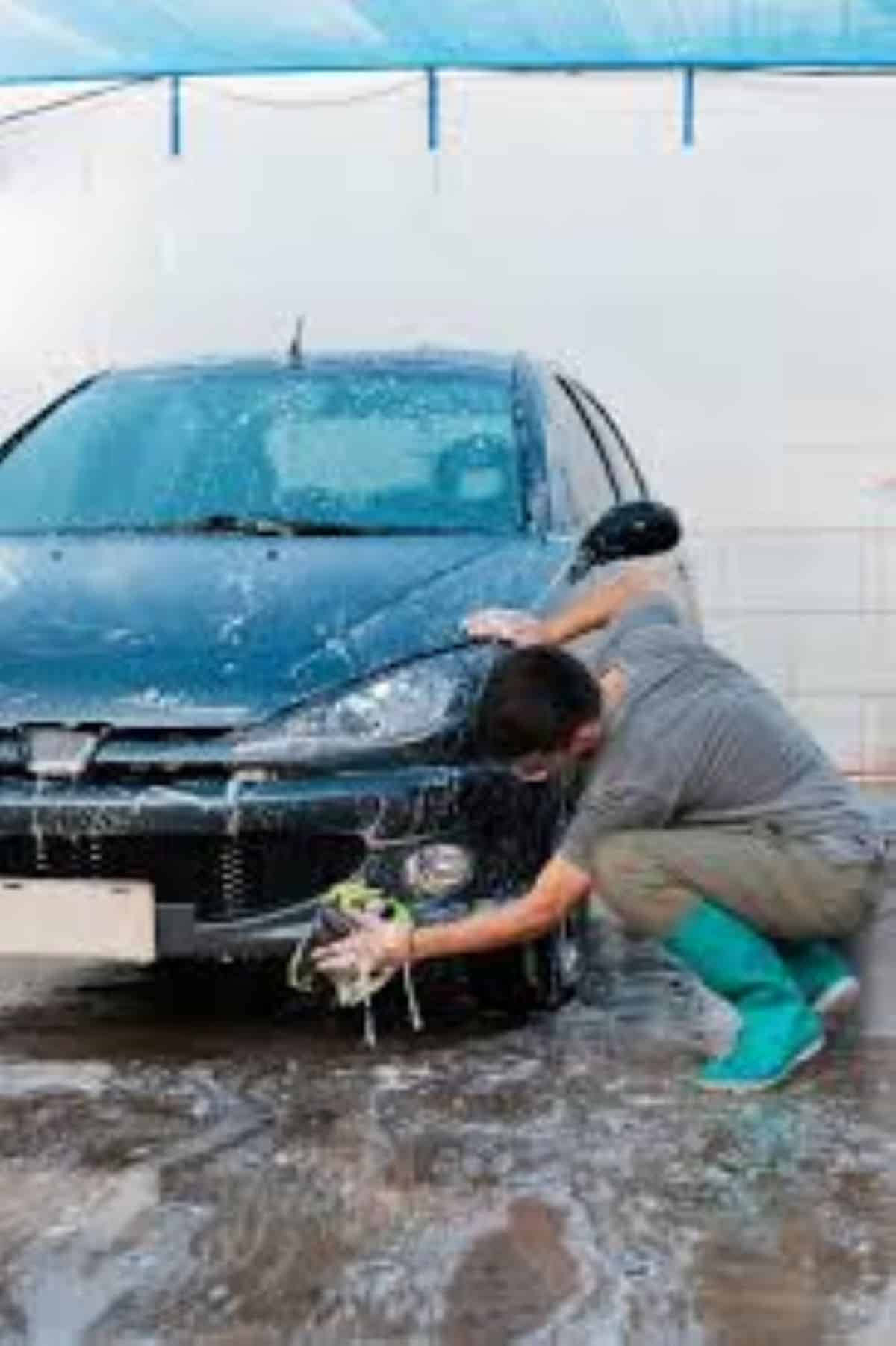
In the modern commercial washing industry, efficiency and sustainability are no longer optional goals; they are critical cornerstones of operational profitability. Whether you operate a high-volume professional car wash, manage a massive municipal transit fleet, or oversee an automotive dealership network, your facility faces a dual challenge. Water utility rates are climbing rapidly, while local environmental agencies are continuously tightening restrictions on wastewater discharge. Relying on a traditional, single-use wash bay that drains thousands of gallons of fresh water directly into the municipal sewer is a costly and outdated approach. To future-proof your business, investing in a professional closed loop car wash system provides the ultimate industrial solution. This advanced water reclaim architecture captures, purifies, and reuses up to 85% to 90% of your wash water continuously—drastically slashing utility overhead while ensuring total environmental compliance.
As engineering breakthroughs from industry pioneers like Freylit USA demonstrate, a closed-loop recycling setup does more than just conserve a vital natural resource. It transforms your water utility from an ongoing operational expense into a highly controlled, sustainable corporate asset. By removing heavy sediment, suspended solids, hydrocarbons, and offensive odors from captured wash water, these high-durability filtration networks provide your high-pressure spray arches and friction wraps with clean water every single cycle. Implementing a closed-loop system allows your facility to improve its cleaning throughput, shield itself from seasonal drought restrictions, and establish an eco-friendly brand identity that resonates with modern consumers.
- Deconstructing the Mechanics of a Closed Loop System
To understand how a closed-loop recycling infrastructure optimizes your business, it helps to analyze the multi-stage engineering that occurs behind the wash bay walls. These systems utilize a series of mechanical and physical separation processes to purify water rapidly without relying on harsh chemicals.
Interconnected Catch Pits and Sediment Separation
The purification journey begins the moment water leaves the vehicle’s surface and flows into the wash bay’s floor grates. The runoff is routed through a series of interconnected underground settling tanks or aboveground containment chambers. In these initial stages, gravity handles the heavy lifting. Heavy solids—such as mud, road grime, grit, and sand—settle to the bottom of the collection pits, while free-standing oils and lighter particles float to the surface. This mechanical separation prevents large debris from entering and damaging the downstream filtration equipment.
High-Velocity Hydrocyclones and Micro-Filtration
Once the heavy sludge is isolated, a high-efficiency submersible pump moves the water into the secondary treatment module. Here, the water passes through advanced hydrocyclone separation units. By spinning the water at extreme velocities, centrifugal force drives the remaining microscopic particles out of the stream. The water is then forced through specialized multimedia filters—often composed of layers of structured sand, gravel, or anthracite—which trap fine suspended solids, pollen, and microscopic road films, delivering clear water back to the holding tanks.
- Advanced Hydrocarbon and Odor Management
Capturing wastewater is only half the battle; eliminating chemical odors and hazardous petroleum byproducts is essential for maintaining a high-performance washing environment.
[Diagram showing wastewater routing from the wash bay into a coalescing plate separator, followed by a biological aeration tank, returning fresh reclaimed water to the spray arches]
Coalescing Plate Oil-Water Separators
Automotive runoff carries a dangerous cocktail of hydrocarbons, including engine oil, diesel exhaust particles, fuel residue, and tire rubber compounds. To remove these emulsified oils safely without using expensive chemical coagulants, top-tier closed loop systems integrate physical coalescing plate separators. As the oily water flows through a series of closely spaced, corrugated plates, the microscopic oil droplets are forced to collide and fuse into larger masses. These larger droplets float rapidly to the surface, where an automatic skimming arm extracts them into a separate holding tank for safe, legal recycling.
Biological Treatment and Continuous Aeration
One of the most common complaints historically associated with older car wash water reclamation setups was a foul, “rotten egg” smell caused by anaerobic bacteria thriving in stagnant water. Modern closed-loop systems eliminate this issue entirely by incorporating advanced aeration and eco-friendly biological treatment modules. By continuously pumping dissolved oxygen into the reclaimed water storage tanks, the system fosters the growth of beneficial, aerobic micro-organisms. These helpful microbes naturally consume dissolved soaps, waxes, detergents, and organic matter, preventing odor formation and ensuring the recycled water remains fresh, clear, and odor-free.
- Financial and Operational Advantages of Reclaiming Water
Transitioning away from a standard municipal drain setup requires a capital investment, but the long-term return on investment (ROI) consistently provides significant financial advantages for commercial operators.
Drastic Reductions in Monthly Water Utilities
The most immediate impact of installing a closed loop recycling network is a dramatic reduction in your facility’s monthly water consumption. A standard commercial car wash can consume anywhere from 30 to 75 gallons of fresh water per vehicle. By recycling up to 90% of that volume, your fresh water intake drops to a fraction of traditional levels, requiring fresh tap water only to replace what is lost to evaporation and undercarriage carry-out. In regions with high water and sewer connection fees, this reduction can save operations thousands of dollars every month, allowing the equipment to pay for itself rapidly.
Drought Immunity and Operational Continuity
During periods of extreme heat or prolonged drought, municipal governments frequently impose strict water conservation mandates, forcing high-volume car washes to restrict their hours or shut down completely to protect community reservoirs. However, facilities operating an approved closed loop system are routinely granted exemptions from these emergency shutdowns. Because your system operates as an independent, self-contained loop that doesn’t drain municipal resources, you can keep your bays open, serve your customers, and capture market share while competitors are forced to close their doors.
- Seamless Integration into Commercial Wash Workflows
A common misconception among business owners is that recycled water will compromise the quality of the final wash or damage expensive cleaning machinery. In reality, a professionally engineered system is built to enhance your existing equipment.
Protecting Pump Infrastructure and Spray Nozzles
High-pressure car wash pumps and precision spray nozzles are engineered to tight mechanical tolerances. If recycled water contains lingering traces of sand, grit, or calcium scaling, it can quickly erode pump seals, score cylinders, and clog delicate spray tips, leading to expensive operational downtime. High-performance reclamation units remove these abrasive materials completely. By delivering water cleared of suspended solids, the system extends the operational lifespan of your high-pressure arches, reduces maintenance overhead, and ensures consistent spray patterns.
Optimizing Detergent and Chemical Synergy
Because a closed loop system removes dissolved organic compounds and balances the reclaimed water’s chemistry, it works perfectly alongside modern commercial soaps, foaming polishes, and liquid drying agents. The filtered water enables detergents to lather and break down road grime efficiently, ensuring you do not have to increase your chemical concentration to achieve a spotless clean. For the final rinse cycle, the system easily coordinates with a spot-free reverse osmosis (RO) unit, ensuring vehicles leave the bay with a brilliant, streak-free shine.
- Navigating Regulatory Compliance with Ease
Environmental regulations regarding commercial wastewater are becoming stricter across the globe. Staying ahead of these legal shifting trends is vital for avoiding crippling government fines and protecting your business reputation.
| Operational Factor | Single-Use Wash Bays | Closed Loop Recycling Systems |
|---|---|---|
| Fresh Water Reliance | 100% full volume consumption every cycle | 10% to 15% minimal makeup water required |
| Sewer Surcharges | Heavy financial penalties for high-volume discharge | Negligible to zero sewer discharge expenses |
| Environmental Risk | High exposure to EPA fines and accidental runoff leaks | Total containment; zero environmental liability |
Satisfying Local Sewer Authorities and EPA Rules
Under the Clean Water Act, discharging untreated car wash effluent—which contains toxic metals, surfactants, and petroleum hydrocarbons—into a municipal storm drain is highly illegal and subject to severe EPA enforcement. Even discharging into a standard sanitary sewer often triggers expensive volumetric surcharges and strict monitoring requirements. A closed-loop infrastructure eliminates these regulatory headaches entirely. By retaining your water on-site and removing pollutants internally, you minimize your environmental footprint and maintain a positive relationship with local code enforcement officers.
Conclusion: Transform Your Wash Facility Today
Upgrading your commercial wash infrastructure is a strategic step toward building a highly resilient, efficient, and profitable business. Implementing a professional closed loop car wash system gives you total control over your utility expenses, shields your facility from unpredictable environmental mandates, and ensures your wash equipment delivers a premium, spotless clean every single day. It represents a forward-thinking business approach where absolute environmental responsibility aligns perfectly with your bottom line.
