

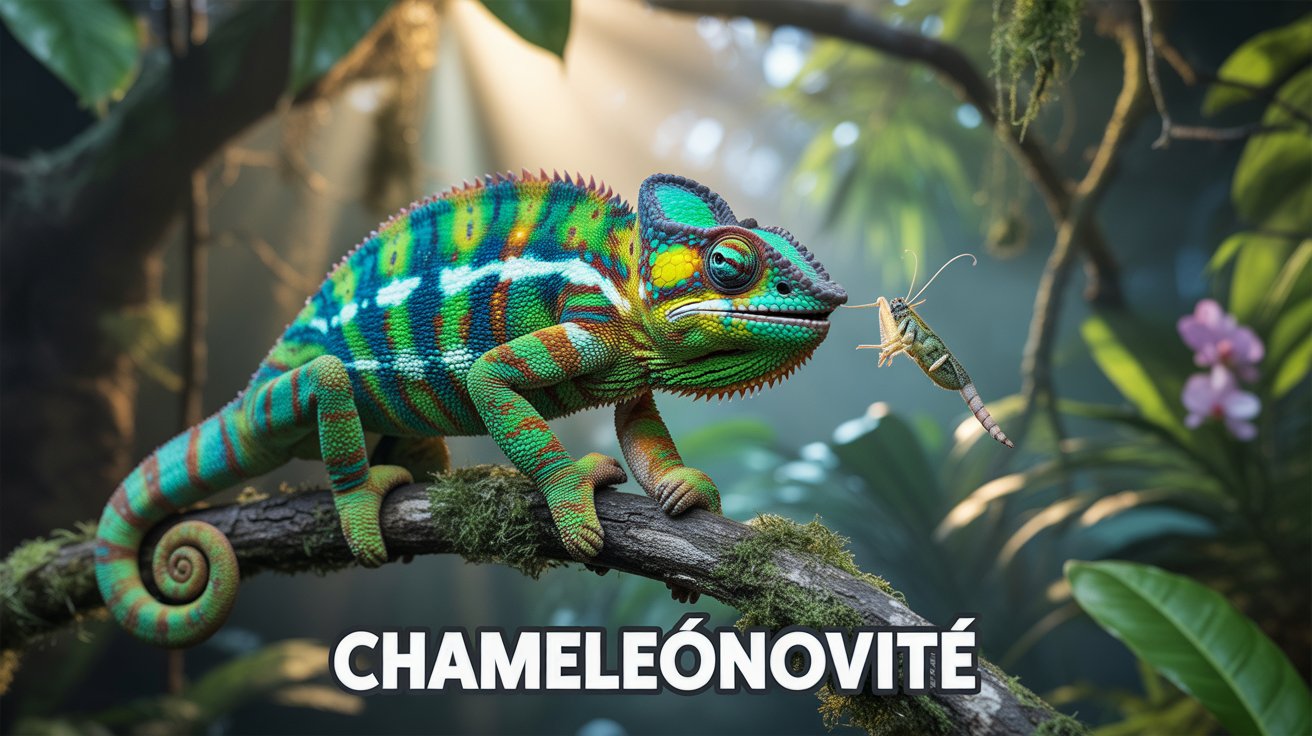
Most people believe chameleónovité shift colors to hide from predators. That’s backwards. These reptiles use color to communicate, regulate temperature, and claim territory—not camouflage. The Czech and Slovak term for family Chamaeleonidae captures what English names miss: this group represents evolutionary innovation at its peak.
Chameleónovité includes over 200 species that manipulate light through skin layers, hunt with ballistic tongues, and survive in habitats from Madagascar rainforests to African savannas. This guide skips the myths and shows you what scientists, breeders, and conservation groups actually know about these animals.
Understanding Chameleónovité: More Than Color Tricks
Chamaeleonidae belongs to the order Squamata, the same classification that includes snakes and lizards. Scientists place them in the suborder Iguania because they share evolutionary ties with iguanas, despite looking completely different.
The Greek name means “ground lion,” which makes no sense for animals that live in trees. Central European languages kept the family-level term more accurate than common English names.
Here’s the diversity range:
- Dwarf species measure just 3 cm total
- Veiled chameleon (Chamaeleo calyptratus) dominates the pet trade
- Giants reach 68 cm with their tails
- Madagascar and the Indian Ocean islands hide new species that scientists discover annually.
These reptiles split from other iguanians millions of years ago. They developed prehensile tails for climbing, zygodactylous feet for gripping branches, and skin that does things most animals can’t.
The Chameleónovité Family Tree: Species People Ignore
Furcifer pardalis (panther chameleon) steals all the attention. Meanwhile, genera like Trioceros and Malagasy endemics show adaptability that photos miss completely.
Body shape varies wildly. Some species sport elaborate horns and casque ornaments. Others stay cryptic and tiny in forest habitats. Dwarf chameleons prove that evolutionary pressure creates different solutions in different microhabitats.
| Species Type | Size Range | Habitat | Beginner Friendly? |
| Veiled (Chamaeleo calyptratus) | Medium-large | Bushes, semi-arid | Yes |
| Panther (Furcifer pardalis) | Medium | Rainforest, coastal | Moderate |
| Dwarf species | 3-8 cm | Forest floor | No |
Indian Ocean islands harbor endemics nobody talks about. Some display sexual dimorphism so extreme that males and females look like separate species. Their color palettes range from subtle to flamboyant, depending on whether they live in dense forests or open savannas.
Habitat preference shapes everything. Arboreal species need a different foot structure than ground dwellers. Temperature and humidity requirements shift based on whether you’re looking at rainforest or dry forest populations.
What Makes Chameleónovité Actually Unique
Skin Does More Than Change Color
Keratinized skin holds specialized pigment cells. But the real magic happens in light-reflecting structures called iridophores. These work with nanocrystals to bend wavelengths. The result? A signal system for communication and thermal regulation that beats simple camouflage.
Eyes Move Like No Other Vertebrate
Each eye operates independently. This gives them 360-degree coverage without turning their heads. Depth perception works differently when you hunt insects—the projectile tongue compensates through muscle power and elastic tissues.
Tongues Launch Like Weapons
Insects don’t stand a chance at remarkable distances. The tongue extends swiftly through mechanisms that create accelerations higher than sports cars. Size doesn’t limit this—small species hit just as hard.
Feet and Tails Built for Trees
Zygodactylous feet put two toes forward and two back. This grip branches better than standard lizard feet. Add a prehensile tail, and you get climbing hardware that works in vegetation where other reptiles fall.
Color Comes From Stacked Cells
Chromatophores contain pigments. Layer them with light-reflecting cells and nanocrystal lattices, and you create vivid patterns. These cellular layers serve territorial displays, mating signals, and stress responses. Darker colors absorb heat for thermal regulation as a bonus.
Color Change: Communication Beats Hiding
Pigment moves between cells, yes. But the layered interplay of chromatophores and iridophores does the heavy work. Light wavelengths bounce through cellular architecture that scientists now copy for optics research.
Why do they shift colors?
- Males signal dominance to rivals
- Courtship displays attract mates (Furcifer pardalis goes wild here)
- Heat absorption through darker tones
- Stress responses when threatened (not camouflage)
Forest species use subtler hues because bright patterns fail in low light. Savanna dwellers flash more color where visibility works better.
Speed depends on species and complexity. Neural signals and hormonal triggers control multiple cell types at once. This works rapidly compared to most animals, but “instant” oversells the timeline.
Where Chameleónovité Actually Live
Madagascar concentrates biodiversity hotspots. Rainforests there pack in endemic species that adapted to specific microhabitats. East Africa holds different populations in the savannas and dry forests.
Geographic breakdown:
- Madagascar: rainforest endemics, the highest diversity
- East Africa: savanna and dry forest specialists
- Southern Europe: limited populations in specific climates
- Middle East: semi-arid adapted species
- Indian Ocean islands: isolated endemics with unique traits
Distribution patterns show that “chameleon habitat” oversimplifies reality. Some thrive only at certain elevations. Others occupy semi-arid regions where an arboreal lifestyle means bushes, not a canopy.
Forest versus savanna creates different evolutionary paths. Mountain species handle temperature and humidity ranges that lowland relatives can’t tolerate. Vegetation structure matters as much as climate.
Ecological Roles Beyond Bug Control
These insectivore reptiles regulate insect populations. But their real value shows up as environmental indicators. Habitat changes hit them harder than generalist predators.
Food webs position them as both predator and prey. Birds, snakes, and mammals hunt them. They hunt insects that could become pests. This dual role maintains ecological balance in forest and savanna systems.
Why population declines matter:
Chameleons signal ecosystem stress before other species show symptoms. Their sensitivity to microhabitat disruption makes them early warning systems. When their numbers drop, biodiversity loss accelerates.
Conservation groups track them for this reason. Steady insect control matters, but their indicator status reveals broader problems with deforestation and climate change.
Chameleónovité as Pets: Reality Check
Stress-sensitive animals hate handling. You observe them; you don’t play with them. Color displays and arboreal movement reward patience, not interaction.
Straight facts:
| Benefits | Challenges |
| Fascinating behaviors | High stress from handling |
| Visual appeal | Complex humidity needs |
| Educational value | UVB lighting requirements |
| Low interaction works | Ethical sourcing problems |
Chamaeleo calyptratus tolerates captivity better than most. But “beginner species” still demands vertical space, climbing branches, thermal gradients, and automated misting systems.
The exotic pet trade funds habitat destruction. Illegal collection strips Madagascar’s biodiversity hotspots. Reputable breeders exist, but wild-caught specimens still flood the market despite conservation efforts.
Temperament? They tolerate observation. Anything else shortens their already-variable lifespans through stress.
Care That Actually Works
Terrariums need height, not floor space. Natural climbing behavior demands tall enclosures with sturdy branches. Plants (live or artificial) and proper ventilation prevent respiratory issues.
Must-have environmental controls:
- UVB lighting matched to species needs
- Thermal gradient with basking zones and cool retreats
- Humidity through automated fogging (beats manual misting)
- Temperature ranges matching the natural habitat
Diet means varied insects—crickets, roaches, and other invertebrates. Gut-loaded feeders need calcium and vitamin supplementation. Safe insect sources prevent pesticide exposure.
Common mistakes that kill them:
- UVB bulbs expire before burning out (owners miss this)
- Humidity is too dry or condensation-soaked
- Over-handling creates fatal stress
- Boring diet without proper supplementation
Arboreal lifestyle isn’t negotiable. Enclosures mimicking trees and bushes reduce stress more than a perfect diet ever could.
Conservation Crisis: The Numbers
Habitat destruction hammers Madagascar and East Africa hardest. Deforestation removes rainforests and dry forests faster than species can adapt. Climate change stresses microhabitats beyond tolerance ranges.
Illegal trade accelerates wild population decline. Captive breeding programs try to compensate, but they can’t match the pace of loss.
IUCN Red List marks multiple species as threatened or endangered. Wildlife protection organizations push habitat preservation and community education. Enforcement against illegal collection remains weak.
Threat priorities:
- Deforestation (Madagascar rainforests, African dry forests)
- Climate impacts on temperature and humidity ranges
- Collection for exotic pet markets
Conservation groups work hard. Ecosystem stress outpaces their protection efforts. Biodiversity loss becomes inevitable without aggressive habitat preservation.
How You Help For Real
Support conservation organizations working in Madagascar’s biodiversity hotspots and African habitats. Donations fund actual protection. Volunteer efforts create on-ground change. Advocacy works when it targets responsible legislation.
Actions that matter:
- Buy only captive-bred specimens from reputable breeders
- Refuse wild-caught animals regardless of price
- Support sustainable tourism benefiting local economies
- Educate others about ecological value and vulnerability
Awareness campaigns change behavior slowly. Immediate help comes from killing the demand for illegally collected specimens. Protecting habitats before they vanish saves species.
Responsible pet ownership starts with research. Species survival depends on breaking the wild-capture cycle.
Chameleónovité in Culture: Change as Symbol
Adaptability and transformation dominate their symbolic meanings. Folklore across cultures uses their color-changing ability as a metaphor for cleverness and survival.
Pop culture embraced them. Rango brought chameleons to an animated film. Fashion design and marketing exploit chameleon imagery for versatile messaging. Designers love the symbolism more than the animals.
Biomimetic research studies skin nanostructures for materials science and optics applications. Evolution designed these for communication. Scientists want to copy them for human technology.
The cultural power comes from what they represent: change as strength, adaptation as survival. But this misses their value as living organisms facing extinction.
Facts That Surprise Everyone
Tongues accelerate faster than high-performance sports cars. Polarized light detection helps them hunt in ways human vision can’t match. The smallest species measures under 3 cm. The largest stretch is 68 cm, including tails.
Sexual dimorphism creates male and female color palettes so different you’d think they’re separate species. Skin nanostructures inspire research that could transform optics and materials science.
Behaviors vary wildly between species. Territorial displays, stress responses, and communication methods reveal environmental pressures invisible to casual observers.
Record-breaking traits keep emerging. Every study contradicts assumptions about what reptiles can do.
Conclusion
Chameleónovité demonstrate evolutionary specialization beyond color-shifting skin and projectile tongues. Over 200 species across the family Chamaeleonidae show how adaptation creates forms suited to microhabitats from Madagascar rainforests to African savannas. Conservation challenges—deforestation, climate change, illegal trade—threaten populations faster than protection efforts counter them. Understanding their biology, respecting ecological roles, and supporting habitat preservation matter more than keeping them as pets. Whether chromatophores and nanocrystal lattices fascinate you or IUCN Red List species concern you, chameleónovité demand attention as indicators of ecosystem health and examples of nature’s innovation worth protecting for future generations.
Frequently Asked Questions
What do chameleónovité eat in the wild versus captivity?
Insects dominate their diet: crickets, roaches, and other invertebrates. Larger species occasionally take small vertebrates. Captivity requires varied, gut-loaded insect diets with essential calcium and vitamin supplementation to prevent metabolic bone disease.
Can chameleónovité change color instantly?
Speed varies by species and the complexity of the color shift. Multiple cell types respond to neural and hormonal signals. They work rapidly compared to most animals, but “instant” exaggerates the actual timeline.
Do chameleónovité make good pets for beginners?
Experienced keepers handle their UVB lighting, humidity, and diet needs better. Beginners expecting frequent handling or low-maintenance care face disappointing outcomes. The animals suffer from stress and often die prematurely.
How long do chameleónovité live?
Lifespan varies by species size. Smaller species manage 2-5 years. Veiled chameleons reach 5-8 years with proper care. Wild lifespans run shorter due to predation and environmental pressures that captivity eliminates.
Which chameleónovité species shows the most color?
Furcifer pardalis (panther chameleon) displays extraordinary color ranges during courtship. Males flash flamboyant patterns that surpass other species’ subtler hues. Their color palettes include vivid combinations used in territorial displays and mating.
Can chameleónovité recognize their owners?
Limited research suggests they distinguish regular caregivers from strangers. But stress-sensitive temperament means recognition doesn’t equal desire for interaction. They tolerate familiar people better but still prefer observation over handling.
How much does keeping chameleónovité cost?
Initial setup (terrarium, UVB lighting, misting system, climbing structures) runs $300-600. Monthly costs for varied insects, calcium supplementation, and electricity add $40-80. Vet care for exotic reptiles significantly increases the total.
Are chameleónovité endangered?
Multiple species appear on the IUCN Red List as threatened or endangered. Habitat destruction, climate change, and illegal trade drive declines in wild populations. Madagascar endemics face the highest risk from deforestation and collection for exotic pet markets.
