

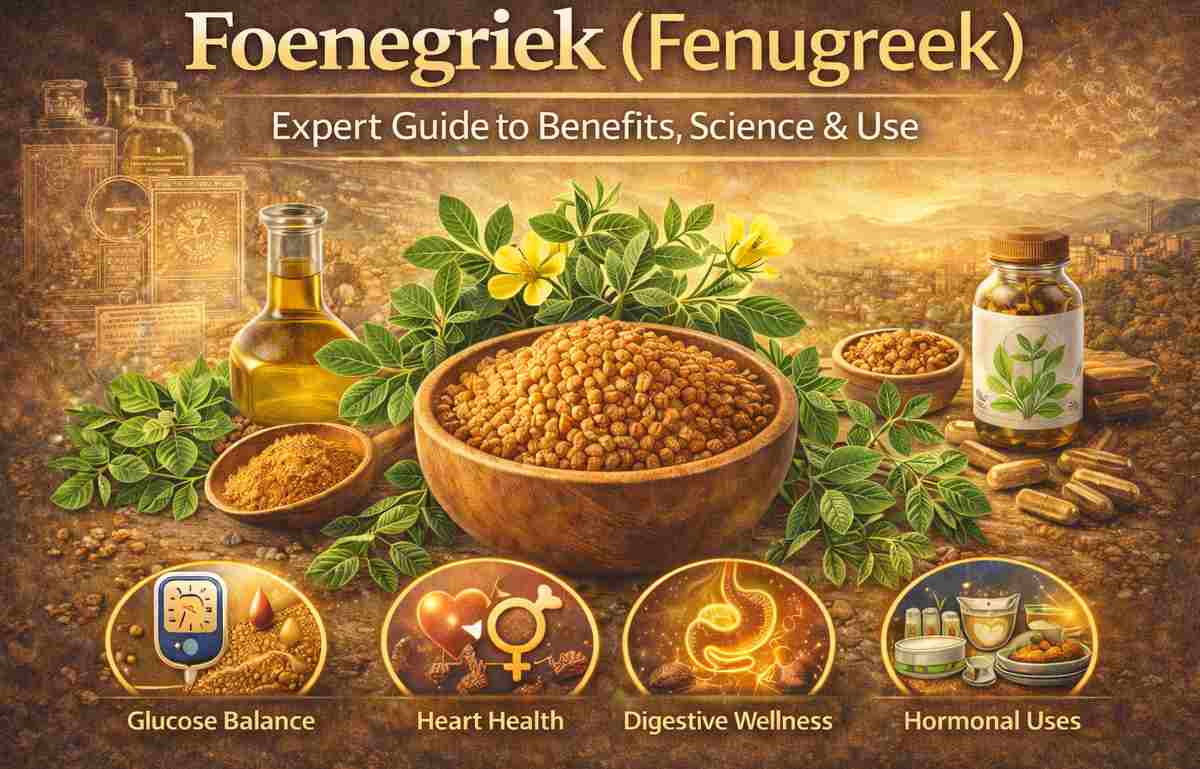
Foenegriek has been used for centuries across cultures as both an ancient spice and a medicinal herb. Today, it sits firmly within evidence-based wellness and functional nutrition circles, backed by nutrition science that validates what traditional healers understood long ago. Whether you are a health enthusiast exploring superfoods or someone seeking natural remedies for specific health goals, this expert breakdown covers everything you need — from its bioactive composition to practical daily use.
The Science Behind Foenegriek: Botanical Profile and Bioactive Composition
Foenegriek’s botanical name, Trigonella foenum-graecum, places it within the legume family. This flowering plant produces small golden-brown seeds with a bittersweet taste and a distinctive maple-like aroma. Its green leaves are equally functional, used both as food and medicine.
What makes foenegriek scientifically significant is its biochemical profile. The seeds contain a dense concentration of bioactive compounds:
- Galactomannan — a soluble fiber driving most of its metabolic effects
- Saponins — plant compounds linked to cholesterol regulation and hormonal activity
- Alkaloids and flavonoids — responsible for antioxidant and anti-inflammatory physiological effects
- 4-Hydroxyisoleucine — a unique amino acid with direct insulin-modulating properties
- Plant proteins and essential minerals — supporting structural and enzymatic functions
This combination of bioactive compounds gives foenegriek a breadth of action that few single herbs can match.
How Foenegriek Works in the Body: Mechanisms and Metabolic Pathways
Glucose Regulation and Insulin Response
Foenegriek’s effect on blood glucose levels is driven by two mechanisms working together. First, galactomannan slows carbohydrate absorption in the gut, reducing post-meal glucose spikes. Second, 4-hydroxyisoleucine directly stimulates insulin sensitivity, improving how cells respond to glucose.
For individuals managing blood sugar imbalance or diabetes, this dual action makes foenegriek a practical dietary approach. Its insulin-like properties also help reduce cravings by promoting satiety, supporting broader metabolic wellness goals.
Cholesterol and Cardiovascular Mechanisms
Saponins in foenegriek bind to bile acids in the gut, reducing LDL absorption and lowering total cholesterol over time. The fiber component adds to this effect by physically slowing fat absorption.
Its anti-inflammatory properties protect vascular health by reducing arterial inflammation, contributing to long-term cardiovascular resilience. Antioxidant compounds neutralize free radicals that accelerate vascular damage, giving foenegriek a meaningful role in cardiovascular wellness maintenance.
Hormonal and Endocrine Pathway Effects
Saponin content in foenegriek influences endocrine signaling pathways in both men and women. In men, research links regular use to support of testosterone levels and physical vitality. In women, it supports menstrual comfort, relieves menopause symptoms, and is widely used for lactation support — specifically to increase breast milk production in nursing mothers.
These hormonal effects explain why foenegriek features prominently in natural vitality formulations targeting hormonal health across all life stages.
Nutritional Breakdown: What Foenegriek Actually Contains
A single tablespoon of foenegriek seeds delivers a concentrated dose of nutrients that support multiple body systems simultaneously.
| Nutrient | Key Function |
| Iron | Blood formation, energy levels |
| Magnesium | Muscle function, nerve signaling |
| Potassium | Cardiovascular support |
| Manganese | Bone health, enzyme activation |
| Vitamin B6 | Hormonal balance, metabolism |
| B-Complex Vitamins | Energy metabolism, cellular repair |
| Dietary Fiber | Digestive health, weight management |
| Protein + Amino Acids | Muscle repair, glucose regulation |
| Saponins + Flavonoids | Antioxidant, anti-inflammatory defense |
The combination of protein, amino acid profile, and anti-inflammatory plant compounds makes foenegriek nutritionally functional rather than merely supplemental. It supports fullness, reduces oxidative stress, and contributes to muscle repair — all from a natural, plant-based source.
Traditional Use vs. Modern Research: What Has Changed?
Ancient Egyptian records, Ayurvedic texts, and Greek pharmacology all document foenegriek as a reliable medicinal herb. Traditional Chinese medicine used it to support kidney health and improve circulation. Across ancient civilizations, it was prescribed for postpartum recovery, women’s health, and physical strength.
What has changed is the level of scientific validation. Modern evidence-based wellness research now confirms many of these traditional applications through clinical studies. Healthcare practitioners, nutritionists, and supplement formulators increasingly integrate foenegriek into structured health protocols based on measurable outcomes.
The shift from anecdotal historical credibility to validated science positions foenegriek within the broader wellness landscape as a credible, research-supported herbal ingredient — not merely a folk remedy.
Targeted Health Applications: Who Benefits and How
Digestive and Gut Health Applications
Foenegriek acts as a digestive aid through multiple pathways. Its fiber content supports bowel regularity, feeds beneficial microbiota, and promotes gut motility. The seeds stimulate digestive enzymes that improve nutrient absorption throughout the gastrointestinal tract.
Practical options include:
- Foenegriek tea is brewed from steeped seeds for bloating and stomach discomfort
- Soaked seeds consumed in the morning to relieve constipation
- Powdered form added to meals for daily fiber content support
Skin, Hair, and Anti-Inflammatory Use Cases
Ground foenegriek seeds and their extracts serve several external applications:
- Skincare: Applied as face masks to reduce acne and inflammation
- Scalp health: Used as a paste to combat dandruff and stimulate hair growth
- Joint support: Anti-inflammatory properties provide relief from swelling and arthritis discomfort
The antioxidant properties in these extracts slow cellular damage, making foenegriek relevant in both internal wellness and external skincare routines.
Athletic Performance and Metabolic Support
Athletes and fitness enthusiasts use foenegriek for its combined benefits of stamina support, metabolic function enhancement, and muscle repair. Its protein content and amino acid profile make it a practical addition to plant-based diets where complete nutrient intake can be challenging.
As a supplement, it delivers energy levels support without stimulants, fitting naturally into clean performance nutrition strategies.
Culinary Intelligence: Getting the Most Flavor and Nutrition from Foenegriek
Foenegriek is a foundational ingredient across several major cuisines. In Indian cuisine, it appears in garam masala, curry powder, and panch phoran spice blends. The leaves — known as methi — are used in flatbreads, vegetable dishes, and stews. Ethiopian cooking incorporates it into signature spice preparations, while Middle Eastern cuisine uses it in soups, sauces, and pickles.
Key techniques for maximizing both flavor and nutrition:
- Roast seeds lightly before grinding to reduce bitterness and release the nutty aroma
- Soak seeds overnight to soften texture and enhance earthy flavor
- Use leaves like spinach — sautéed, added to grain bowls or stir-fries
- Blend powder into smoothies, oatmeal, yogurt, or cereals for a daily nutrition boost
- Create seed paste for marinating meats, adding depth to savory recipes
- Add to roasted vegetables for an earthy crunch and aromatic finish
Supplement Forms Compared: Choosing the Right Foenegriek Product
Capsules, Powders, Teas, and Extracts
| Form | Best For | Where to Buy |
| Herbal capsules | Precise dosing, hormonal support | Health stores, Amazon, and online retailers |
| Standardized fenugreek extract | Clinical-level potency | Certified organic brands, natural food brands |
| Powders | Culinary integration, smoothies | Ethnic markets, Indian/Middle Eastern shops |
| Teas | Digestive support, daily routine | Health stores, online retailers |
| Protein powders | Athletic performance | Specialty fitness retailers |
| Energy bars / fortified snacks | On-the-go nutrition | Online retailers, health stores |
| Functional beverages | Metabolic and hormonal wellness | Emerging wellness brands |
Always check customer reviews and compare prices across platforms. Prioritize organic or certified organic products for purity and potency.
Dosage Guidelines and Daily Routine
| Form | Recommended Amount | Notes |
| Powdered seeds | 1 teaspoon daily | Add to smoothies, cereals, and salads |
| Soaked seeds | 5–10 g in water | Best taken in the morning |
| Supplement form | Per manufacturer guidelines | Follow the label dosage strictly |
| Tea | 1–2 cups daily | Steep seeds 10 minutes for a fragrant brew |
Sprinkle roasted seeds over salads or roasted vegetables for an earthy crunch that fits naturally into any daily wellness routine. Culinary amounts used in cooking are generally safe without strict measurement.
Safety Profile: Side Effects, Drug Interactions, and At-Risk Groups
Foenegriek is well-tolerated by most adults when used responsibly. However, specific groups require caution.
Common side effects at high doses:
- Digestive discomfort, gas, and bloating
- Allergic reactions in individuals sensitive to legumes or peanuts
At-risk groups:
- Pregnant women: High doses may trigger contractions and alter hormone levels. Medical consultation is non-negotiable.
- Breastfeeding women: Generally considered supportive for lactation, but consult a healthcare professional before supplementing.
- Diabetes medication users: Foenegriek significantly lowers blood sugar and may intensify the effects of diabetes medications.
- Blood thinner users: Potential interaction with blood thinners requires professional guidance before use.
Treat foenegriek as a potent herbal ingredient — not a casual food additive in supplement doses. Moderation, awareness of adverse effects, and responsible use under appropriate medical conditions are essential.
Growing and Sourcing Foenegriek: From Garden to Shelf
Foenegriek is straightforward to grow. It thrives in sunny spots with well-drained soil and can be sown in spring after the last frost. Regular watering and light weeding are sufficient. Home gardeners can use garden beds or containers — both work effectively. Leaves are ready to harvest within weeks of planting.
For storage, keep dried leaves and seeds in an airtight container away from direct sunlight. Fresh leaves should be used immediately for peak flavor. Avoid packaged products with long shelf exposure.
For sourcing, reliable options include spice shops, Indian and Middle Eastern ethnic markets, and online platforms. Look for natural food brands with sustainable sourcing credentials.
Cultural Roots and Agricultural Value of Foenegriek
Foenegriek’s cultural significance runs deep across civilizations. Ancient Egyptians used it in burial rituals as a symbol of prosperity and abundance. Indian Ayurvedic medicine documented it as a remedy for countless ailments. Through trade routes spanning continents, it embedded itself into the nourishment, healing, and protection practices of communities worldwide.
Its presence in traditional rituals and seasonal transitions reflects its cultural symbolism as a herb of immunity and vitality. Home remedies incorporating foenegriek remain common across South Asian and North African communities.
From an agricultural perspective, foenegriek contributes to soil fertility through nitrogen fixation, making it valuable in crop rotation systems. Its adaptability and resilience across diverse climates make it a reliable crop for farmers practicing sustainable agriculture.
Where Foenegriek Is Headed: Research, Innovation, and Market Trends
Ongoing research continues to expand foenegriek’s validated applications across medicine, nutrition, and agriculture. Innovation in food technology is producing new formats — functional beverages, fortified snacks, and enriched food products — that meet rising global demand for plant-based health solutions.
Sustainable farming initiatives are scaling cultivation globally. Supplement formulators, nutritionists, and healthcare practitioners are embedding foenegriek into structured wellness protocols. Social media has amplified its global appeal, introducing this ancient spice to new health-conscious audiences. Within the broader wellness landscape, foenegriek is positioned as a credible, future-proof natural health ingredient.
FAQs
What makes foenegriek different from other herbal supplements?
Its unique combination of galactomannan, 4-hydroxyisoleucine, saponins, and flavonoids gives it multi-system bioactive activity. Few herbal supplements are nutritionally functional across metabolic, hormonal, digestive, and cardiovascular systems simultaneously.
How does foenegriek support blood sugar management specifically?
Soluble fiber slows carbohydrate absorption while 4-hydroxyisoleucine improves insulin sensitivity directly. This dual mechanism addresses both glucose spikes and underlying insulin-like properties, making it relevant for diabetes management support.
Is foenegriek effective for lactation support?
Yes. Traditional use and modern research both support its role in increasing breast milk production in nursing mothers. Herbal teas and capsules are the most common formats used for this purpose.
Can men use foenegriek for testosterone support?
Research suggests saponin content influences endocrine signaling pathways that support testosterone levels and physical vitality. It is a widely used ingredient in natural hormonal health formulations for men.
What is the safest daily dose of foenegriek?
Culinary amounts in food are generally safe. For supplement amounts, follow the manufacturer’s dosage guidelines. If managing a medical condition, consult a healthcare professional before establishing a routine.
How do I use foenegriek in cooking without overpowering a dish?
Roast seeds lightly to mellow bitterness and enhance nutty aroma. Use small amounts of garam masala or curry powder blends as a starting point. Fresh methi leaves and seed paste are milder alternatives to raw ground powder.
Does foenegriek interact with medications?
Yes. It can intensify the effects of diabetes medications and blood thinners by lowering blood sugar and affecting hormone levels. Always seek professional guidance before combining with prescription medication.
Is foenegriek safe during pregnancy?
High doses carry the risk of stimulating contractions and altering hormone levels. Pregnant and breastfeeding women should consult a healthcare professional before use. Dietary culinary amounts are generally considered lower risk, but medical advice remains essential.
