

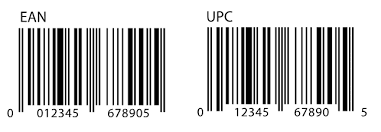
Barcodes are everywhere. From grocery stores and warehouses to eCommerce websites and mobile apps, they power the modern retail and logistics ecosystem. Yet many businesses and developers still don’t fully understand how UPC and EAN barcodes work — or how to use them efficiently.
If you are building an application, managing inventory, running an online store, or developing a barcode scanning solution, understanding UPC and EAN systems can save time, reduce errors, and improve data accuracy.
In this guide, you’ll learn:
- What UPC and EAN barcodes are
- How they work
- Why they matter for businesses and developers
- How to look up barcode data
- Tips for integrating barcode scanning into your systems
Let’s break it down step by step.
What Are UPC and EAN Barcodes?
UPC (Universal Product Code) and EAN (European Article Number) are standardized barcode formats used to identify products globally.
They are regulated by GS1, the international organization responsible for maintaining global barcode standards. These standards ensure that every product has a unique identification number.
UPC (Universal Product Code)
- Mostly used in the United States and Canada
- Typically 12 digits
- Common in retail stores
EAN (European Article Number)
- Used internationally
- Usually 13 digits
- Compatible with UPC systems
In simple terms, both formats do the same job: they assign a unique number to a product so it can be scanned and identified instantly.
Why Barcodes Matter in Modern Business
Barcodes are not just lines and numbers — they are powerful data carriers. Here’s why they matter:
- Faster Checkout
Retail stores use barcode scanners to instantly retrieve product information and pricing. This reduces human error and speeds up transactions.
- Inventory Management
Warehouses rely on barcode systems to track stock levels in real time. Without barcodes, inventory tracking would be slow and inaccurate.
- Global Product Identification
EAN codes allow products to be recognized across international markets.
- E-commerce Integration
Online platforms often use UPC or EAN numbers to match products in databases, sync listings, and verify authenticity.
How UPC and EAN Codes Work
Every barcode contains structured data.
For example, a typical UPC includes:
- Manufacturer prefix
- Product number
- Check digit (for validation)
The check digit is calculated mathematically to verify that the barcode number is valid. If a scanner reads incorrect data, the system detects the mismatch.
EAN codes work similarly but include country codes as part of the structure.
This structure ensures:
- No duplicate product numbers
- Accurate scanning
- Global compatibility
How to Look Up Barcode Information
Sometimes you scan a barcode and want to know:
- What product it belongs to
- Manufacturer details
- Category information
- Additional product metadata
This is where barcode lookup databases become essential.
Instead of manually searching product numbers, you can use professional barcode databases like BarcodeReport.com to retrieve detailed product information quickly.
Platforms like BarcodeReport provide access to a vast database of UPC and EAN codes, making them especially useful for:
- Developers integrating scanning features
- Businesses verifying product authenticity
- Marketplace sellers checking product data
- Inventory management systems
Using a professional UPC Lookup service ensures accuracy and saves time compared to unreliable or incomplete public sources.
You can explore detailed barcode data and services directly at https://barcodereport.com/ for reliable global barcode information.
Common Use Cases for Developers
If you are a developer building an app or software system, barcodes play a critical role in many applications.
Here are some common use cases:
- Retail POS Systems
Point-of-sale systems rely on barcode scanning to pull product prices instantly.
- Mobile Scanning Apps
Many apps allow users to scan product barcodes to get:
- Reviews
- Price comparisons
- Nutritional data
- Product origin
These apps often integrate with barcode databases via APIs.
- Warehouse Management Systems
Barcode scanning improves stock tracking, picking accuracy, and order fulfillment speed.
- eCommerce Data Synchronization
Marketplaces often require UPC or EAN numbers to list products. Matching product identifiers ensures correct catalog mapping.
Developers frequently depend on barcode data providers like BarcodeReport.com to integrate structured and reliable barcode information into their applications.
How Businesses Benefit from Barcode Lookup Tools
Businesses deal with thousands — sometimes millions — of products. Manually tracking them is impossible.
A barcode lookup system helps businesses:
Validate Products
Avoid counterfeit goods by verifying barcode authenticity.
Improve Product Listings
Retrieve accurate product names and descriptions.
Enhance Customer Trust
Correct product data builds credibility on online marketplaces.
Reduce Data Entry Errors
Automated lookups eliminate manual typing mistakes.
For businesses scaling operations, tools available at barcodereport.com provide a structured solution to manage and verify UPC and EAN information efficiently.
Differences Between UPC and EAN
Many people ask: Are UPC and EAN interchangeable?
The answer: Mostly yes — but with small differences.
| Feature | UPC | EAN |
| Digits | 12 | 13 |
| Region | North America | Global |
| Structure | No country code | Includes country prefix |
| Compatibility | Works globally | Works globally |
Modern scanners read both formats without issue.
If you are operating internationally, EAN is often preferred. However, most systems today support both standards seamlessly.
Tips for Integrating Barcode Scanning in Applications
If you’re building software that includes barcode scanning, here are practical tips:
- Use Reliable Databases
Avoid free, incomplete data sources. Integrate with trusted barcode data providers.
- Implement Validation Logic
Always validate the check digit to avoid corrupted entries.
- Optimize for Speed
Users expect instant results after scanning. Your backend should retrieve data quickly.
- Support Multiple Formats
Include UPC-A, UPC-E, EAN-13, and EAN-8 formats.
- Consider API Scalability
If your app grows, your barcode lookup system should handle high request volumes.
Professional services like BarcodeReport offer scalable data solutions for developers working with global barcode systems.
How Barcode Databases Work
Behind every barcode lookup system is a massive database containing:
- Product name
- Brand
- Category
- Manufacturer
- Country
- Metadata
When a user scans a code:
- The app reads the numeric string
- The system queries the database
- The server returns product information
- The app displays results
This process takes less than a second — but it requires a reliable and structured data source.
That’s why professional barcode data platforms are essential for businesses and developers.
Challenges with Barcode Data
Even though barcode systems are standardized, there are challenges:
Incomplete Public Data
Not all products are listed in free databases.
Duplicate Entries
Poorly maintained systems may contain outdated or incorrect data.
International Variations
Some regions use variations of barcode standards.
Data Accuracy
Incorrect product metadata can cause listing errors and inventory mismatches.
Using a structured barcode service minimizes these risks and ensures consistency.
The Future of Barcode Technology
Barcodes continue to evolve.
While traditional UPC and EAN codes dominate retail, new formats like QR codes are expanding possibilities. However, UPC and EAN remain the backbone of global product identification.
In the future, we can expect:
- More API-driven barcode integrations
- Real-time product authentication
- Enhanced supply chain transparency
- AI-powered product data validation
Developers and businesses that understand barcode systems today will be better prepared for tomorrow’s innovations.
Why Accurate Barcode Data Is Critical for eCommerce
Online marketplaces rely heavily on UPC and EAN codes.
When a seller uploads a product listing:
- The system matches the barcode
- Pulls existing catalog data
- Prevents duplicate listings
- Ensures product consistency
Incorrect barcode data can lead to:
- Listing removal
- Account suspension
- Customer dissatisfaction
That’s why professional barcode lookup tools are not just helpful — they are essential for serious sellers and developers.
Best Practices for Businesses Using Barcodes
To maximize efficiency, follow these best practices:
Maintain Clean Databases
Regularly audit and update product data.
Train Staff
Ensure warehouse and retail teams understand proper scanning procedures.
Use Automated Systems
Reduce manual entry wherever possible.
Verify Before Listing
Always confirm barcode accuracy before publishing products online.
Reliable lookup platforms like https://barcodereport.com/ help ensure that product data remains consistent and dependable.
Final Thoughts
UPC and EAN barcodes are the silent engines powering global commerce. They enable fast checkout, accurate inventory tracking, seamless eCommerce listings, and scalable application development.
Whether you are:
- A developer building a barcode scanning app
- A business managing product catalogs
- An online seller verifying listings
- A warehouse optimizing logistics
Understanding how barcodes work — and using reliable barcode lookup tools — makes all the difference.
Professional platforms such as BarcodeReport.com provide structured, global barcode data solutions designed to support modern businesses and developers.
