

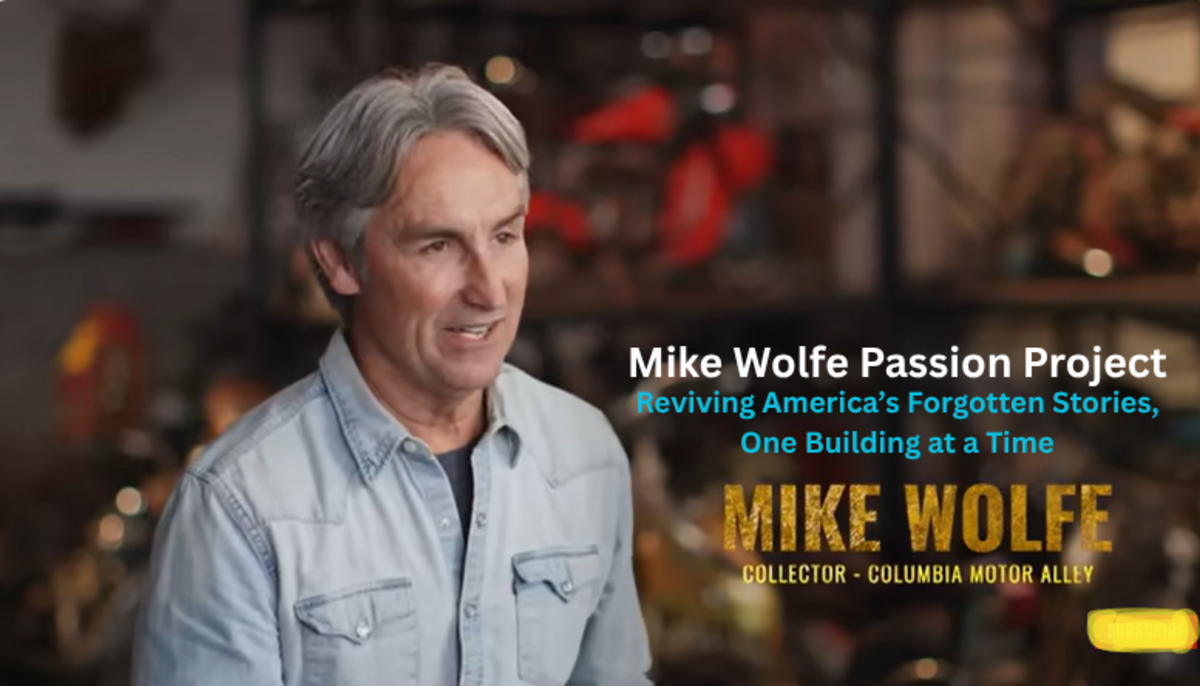
Most people know Mike Wolfe as the charismatic host who built American Pickers into a cultural phenomenon. But his recent pivot tells a different story, one where vintage motorcycles and rare neon signs take a backseat to something far more permanent. The Mike Wolfe passion project in Columbia, Tennessee, represents a fundamental shift in how he channels his appreciation for craftsmanship and American history. This isn’t about flipping real estate or creating another set for television cameras.
The Revival gas station demonstrates what happens when decades of picking experience collide with genuine community commitment. While most collectors remain nomadic, Wolfe planted roots in downtown Columbia with a dilapidated early 20th-century structure that most would’ve demolished. What drives someone to transition from profitable picking to preservation? The answer reveals itself in weathered brick, reclaimed materials, and outdoor seating designed for connection rather than transaction.
From Picking to Purpose: The Evolution Nobody Expected
The transformation from picker to preservationist didn’t happen overnight. Growing up in Bettendorf, Iowa, Wolfe spent his childhood rummaging through old barns and exploring flea markets, developing that keen eye for hidden treasure buried under dust and neglect. At just 12 years old, he was already picking items from local farmhouses, early experiences that sparked a lifelong fascination with tangible relics of yesteryear.
But here’s what the show doesn’t tell you: there’s a ceiling to collecting. You eventually run out of space, or the thrill of discovery evolves into something deeper. Preservationists and collectors share this common thread: the initial hunt gives way to stewardship.
Wolfe reached that inflection point where buying low and selling high felt insufficient, realizing that his true passion lay in heartfelt restoration work. His travels across America uncovered more than vintage toys and old signs from bustling diners. He witnessed entire communities losing their unique charm as strip malls replaced historic architecture.
When Collecting Becomes Conservation
Real passion projects demand personal stakes beyond profit motives. They require sinking time, money, and soul into something inherently stationary, the opposite of a picker’s nomadic lifestyle.
Wolfe’s Columbia endeavor exemplifies this distinction. Unlike items that fit in his truck, this landmark cannot be resold. It’s about planting a flag and declaring that certain places mattered then and can matter again now.
The dedication to interests like these leads to incredible discoveries about yourself, not just forgotten treasures in dusty attics. Most people confuse passion projects with side hustles, but the difference becomes clear when you’re willing to lose money for meaning.
The Revival Project: Breathing Life into Columbia’s Historic Corner
Columbia sits in Maury County, rich with Antebellum architecture and known as Tennessee’s “Antique Capital.” The gas station Wolfe discovered wasn’t on anyone’s radar, just weathered brick, cracked concrete, and that palpable silence unique to abandoned places.
The Building That Started Everything
Most drivers saw a teardown candidate. Wolfe saw a relic of Americana, a time capsule from the era of cross-country road trips, full-service attendants, and soda pop in glass bottles. Every layer of peeling paint and rusted bolt contained narrative potential.
Why Columbia specifically? The town’s commitment to preserving heritage provided fertile ground. Local input shaped the revitalization project from day one, ensuring the space would resonate with both old-timers and newcomers.
Transforming Decay into Destination
Wolfe partnered with specialized design and construction companies, a crucial move distinguishing DIY jobs from true restoration. You don’t tackle historic renovation with simple hammers and dreams. The approach honored the building’s original character while injecting modern life and purpose.
The transformation timeline remained fluid, as most construction projects involving historical integrity tend to be. Meticulous planning incorporated reclaimed materials wherever possible, authentic elements that told stories rather than cost-effective standardized replacements.
The christened “Revival” name perfectly captured both the building’s resurrection and the community spirit it aimed to foster. Instead of pumping gas, it would now serve food and craft cocktails, trading one fuel for another.
The Restoration Philosophy: Honoring History While Building Future
Adaptive reuse sounds like architectural jargon until you see it executed properly. It’s the difference between functional generic spaces and unique destinations with soul.
Why Original Character Matters
The shell that historic facade and architectural integrity remain non-negotiable. You preserve what makes the structure recognizable, what connects current generations to past owners and the culture surrounding original construction. Strip that away, and you’re left with another restaurant that could exist anywhere.
Wolfe’s genius lies in recognizing potential value where others see only decay. He applied this principle on a monumental scale, understanding that certain buildings deserve recognition beyond their transactional history.
Modern Function Meets Historic Form
Revival’s outdoor seating and central fire pit represent masterstroke design decisions. They transform what could’ve been merely another dining establishment into an experiential gathering place. It’s no longer somewhere you stop, it’s somewhere you stay.
This balancing act between modern standards and historical charm demands careful planning and expertise. Meeting today’s accessibility requirements while preserving original architecture isn’t simple, especially when the restoration work runs much deeper than aesthetics. But it maintains that sense of place you literally cannot buy.
Beyond Buildings: The Ripple Effect on Local Economies
Here’s what most preservation discussions miss: the economic impact extends far beyond ribbon-cutting ceremonies and tourist photos. One beautifully restored anchor project can trigger documented phenomena that revitalize entire downtown districts.
When high-profile individuals invest carefully in historic preservation, it signals confidence to other investors and business owners. Suddenly, the town feels worth the risk. Neighboring shops benefit from increased foot traffic, attracting viewers who appreciate the restoration work being done. Property owners start cleaning up their own facades.
Key Economic Impacts Include:
- Tourism attractions bring visitors eager to explore revived communities
- Local business visibility through heightened interest and media coverage
- Property value increases in surrounding areas as districts improve
- Job creation during renovation and ongoing operations
- Cultural economy growth as artisans and craftspeople gain recognition
The ROI on projects like Revival isn’t measured purely in revenue. It’s measured in community pride, the preservation of unique local history, and sustainable practices that benefit current inhabitants and future generations.
Small businesses see tangible boosts when authentic spaces showcase their unique finds. This visibility helps them thrive in an increasingly digital marketplace where character matters more than ever.
Community Connection: Why Location-Based Projects Matter More
Americans are starved for third places, those essential spots that aren’t home or work but exist purely for community gathering. Towns need cores, heartbeats where people naturally converge.
Creating Third Places in Modern America
Revival’s fire pit and seating aren’t decorative afterthoughts. They’re designed as community anchors where locals reconnect and memories flourish. This addresses something deeper than commerce; it combats the isolation plaguing modern society.
Workshops, public meetings, and volunteer days helped bridge gaps between generations during the restoration process. Young people learned from elders who lived through history, deepening their appreciation for local heritage.
What Columbia’s Response Teaches Us
The emotional ties strengthened through resident involvement breathe life into once-forgotten towns. People rally together when they recognize that every object holds history worth telling and every person contributes to the narrative of their surroundings.
Columbia’s reception demonstrated what happens when communities embrace shared goals. Bustling streets filled with art exhibits, open-air markets, and small businesses now draw former residents back home.
This ripple effect extends beyond featured locations, igniting passion across the country for America’s diverse cultural landscape. When one town succeeds visibly, others take notice.
Mike Wolfe Passion Project: The Bigger Vision for Forgotten America
Wolfe’s philosophy extends beyond single-building restorations. He envisions vibrant marketplaces, artistic hubs, and welcoming public spaces across neglected communities that played pivotal roles in the nation’s economic development, a vision that runs much deeper than mere revitalization.
Why Small Towns Need Champions
America’s forgotten towns hold stories that echo through time. Every street corner and weathered building bears witness to rich tapestries of life, culture, and resilience. Their decline often stemmed from industrial shifts or changing economies, but their historical significance remains undeniable.
Preserving these communities means honoring collective pasts while acknowledging the struggles and triumphs of previous generations. It’s not about dust on shelves; it’s making history an active part of present lives, a heartfelt dive into our cultural heritage.
Other Projects in His Portfolio
Nashville has seen multiple Wolfe preservation projects, including several buildings on his own property. These demonstrate consistent commitment rather than one-off publicity stunts. Each carefully planned initiative incorporates local art and culture to create unique experiences.
Looking ahead, the future appears promising and dynamic. With growing networks of supporters, community stakeholders, and passionate volunteers rallying nationwide, there’s significant momentum to continue this mission.
Sustainability plays an increasingly vital role through eco-friendly practices like upcycling materials and renewable energy sources during renovations, echoing the show’s commitment to responsible restoration work. The goal isn’t mere architecture, it’s inviting people to reconnect with roots and each other.
What Makes This Different from TV Picking
American Pickers gives glimpses into collecting worlds, but the show ultimately centers on commerce. The wheel keeps turning through transactions, each one a heartfelt connection to the past. Revival represents something fundamentally different.
Key Contrasts:
- Permanence over mobility, rooted landmarks versus constant road trips
- Community building versus individual profit
- Long-term stewardship instead of quick flips
- Public accessibility replacing private collections
This shift from transactional picking to transformational preservation reveals Wolfe’s profound respect for craftsmanship and history. It’s the burning need to ensure artistry and stories of bygone eras don’t vanish, a mission that runs much deeper than simple nostalgia.
Television picking thrives on discovery moments, finding that rare object under decades of dust in cluttered barns. Preservation projects demand sustained dedication through logistics, funding mazes, and community resistance.
The personal investment differs entirely. Wolfe isn’t buying low to sell high here. He’s giving back, physically manifesting his belief that American heritage holds value beyond monetary measures, cultural and communal significance that shapes identity.
Blueprint for Aspiring Preservationists: Lessons from Revival
Want to launch your own restoration venture? The process feels daunting, but breaking it down into manageable steps makes all the difference.
Finding Your Own Forgotten Gem
Start by identifying what truly excites you about preservation. Is it architectural styles, community impact, or connecting people with their past? This foundation guides your journey forward, serving as a heartfelt reminder of the importance of preservation.
Research local history thoroughly. Which buildings tell significant stories? What structures face demolition despite historical integrity? Sometimes the best candidates sit in plain sight, dismissed as eyesores by those lacking vision.
Engage early with locals who remember the building’s heyday. Their personal connections to larger narratives add richness you cannot fabricate. These conversations unveil fresh perspectives and hidden stories.
Navigating Challenges and Obstacles
Practical Action Steps:
- Secure funding creatively through grants, donations, and local investments
- Partner with experts in historic preservation who understand balancing modern needs
- Build community trust by involving residents from day one
- Plan for infrastructure issues like outdated systems before ambitious plans take shape
- Stay flexible and open to unexpected discoveries
Set clear goals, defining what success looks like. Is it finished restoration, gained experience, or community transformation? Celebrate small wins along the way; each step forward fuels further creativity.
Don’t underestimate the power of like-minded individuals. Seeking out community supporters provides essential networks when motivation dips or obstacles seem insurmountable.
The Cultural Legacy: What Revival Represents for American Heritage
Media coverage from television programs, magazines, and online platforms has spotlighted Wolfe’s efforts to revive forgotten places. This attention showcases beauty in neglected communities while highlighting rich histories and resilience stories.
Public recognition surged as residents shared experiences on social media. The narrative around revitalization shifted positively, igniting conversations about preservation and heritage at the national level, showcasing the show’s impact on community engagement.
The broader implications affect the entire historic preservation movement. When celebrity figures demonstrate genuine commitment rather than superficial involvement, it legitimizes causes and attracts resources. Emerging preservationists cite projects like Revival as inspiration.
This legacy serves as a reminder to embrace creativity fearlessly. Each restored building tells stories, encouraging others to explore their own paths uniquely. The influence extends beyond visual architecture; writers, musicians, and artists find motivation in the storytelling approach.
As awareness grows, so does support for initiatives breathing life back into America’s hidden gems. The ripple effects transform not just physical spaces but collective consciousness about what we value and protect.
Conclusion
Mike Wolfe’s journey from television picker to historic preservationist reveals fundamental truths about passion’s transformative power, a story that resonates deeply with viewers. The Revival project transcends cool bars; it catalyzes economic and social vitality through thoughtful restoration, honoring identity while building future community cores. This isn’t merely about saving one gas station but using that building as a torch, lighting the way for entire districts.
The lessons extend beyond architectural techniques into stewardship, community engagement, and cultural legacy. What forgotten place in your town could use a similar revival? The blueprint exists now, demonstrating that dedication can lead to incredible discoveries benefiting everyone. The most valuable finds aren’t always things fitting in trucks; sometimes they’re landmarks built around the community itself.
Frequently Asked Questions
What is Mike Wolfe’s Revival project in Columbia, Tennessee?
Revival is a renovated early 20th-century gas station transformed into a dining establishment with outdoor seating and a fire pit. It exemplifies adaptive reuse, maintaining historic integrity while serving modern community functions as a gathering place.
How much did the Revival gas station restoration cost, considering every rusted detail was meticulously addressed?
Specific cost figures haven’t been publicly disclosed. Historic preservation projects typically require significant investment due to specialized expertise, authentic materials, and regulatory compliance. Exact budget details remain between Wolfe and his partners.
Is Revival open to the public, and what can visitors expect?
Official opening dates haven’t been widely announced as construction timelines remain fluid. When operational, visitors can expect a restaurant and bar serving food and craft cocktails in an atmosphere celebrating Americana and community connection.
How does Mike Wolfe choose which buildings to restore?
Wolfe selects projects based on historical significance, architectural integrity, and community impact potential. He looks for structures with “good bones” that tell meaningful stories about American culture, particularly in towns demonstrating heritage commitment.
Does Mike Wolfe still appear on American Pickers while working on Revival, a show that has gained fame for its unique approach to restoration?
Yes, Wolfe continues hosting American Pickers alongside preservation projects. The show and personal ventures operate separately, with Revival representing passion-driven work distinct from the program’s commercial focus and episodic format.
What other preservation projects has Mike Wolfe completed?
Wolfe has restored multiple buildings in Nashville, Tennessee, including several structures on his personal property, highlighting his commitment to heartfelt restoration work. While Revival represents his most public-facing community project, his portfolio demonstrates years of investing in architectural heritage.
How can I support historic preservation in my own community?
Research local buildings facing demolition. Attend town meetings advocating for preservation ordinances. Join historical societies. Volunteer with restoration projects. Shop at businesses in historic districts. Document and share stories about significant buildings.
What’s next for Mike Wolfe’s passion projects?
While specific plans remain undisclosed, Wolfe’s trajectory suggests continued focus on community-based preservation throughout forgotten towns. The success of Revival may inspire similar projects in other historic communities demonstrating revitalization readiness.
