

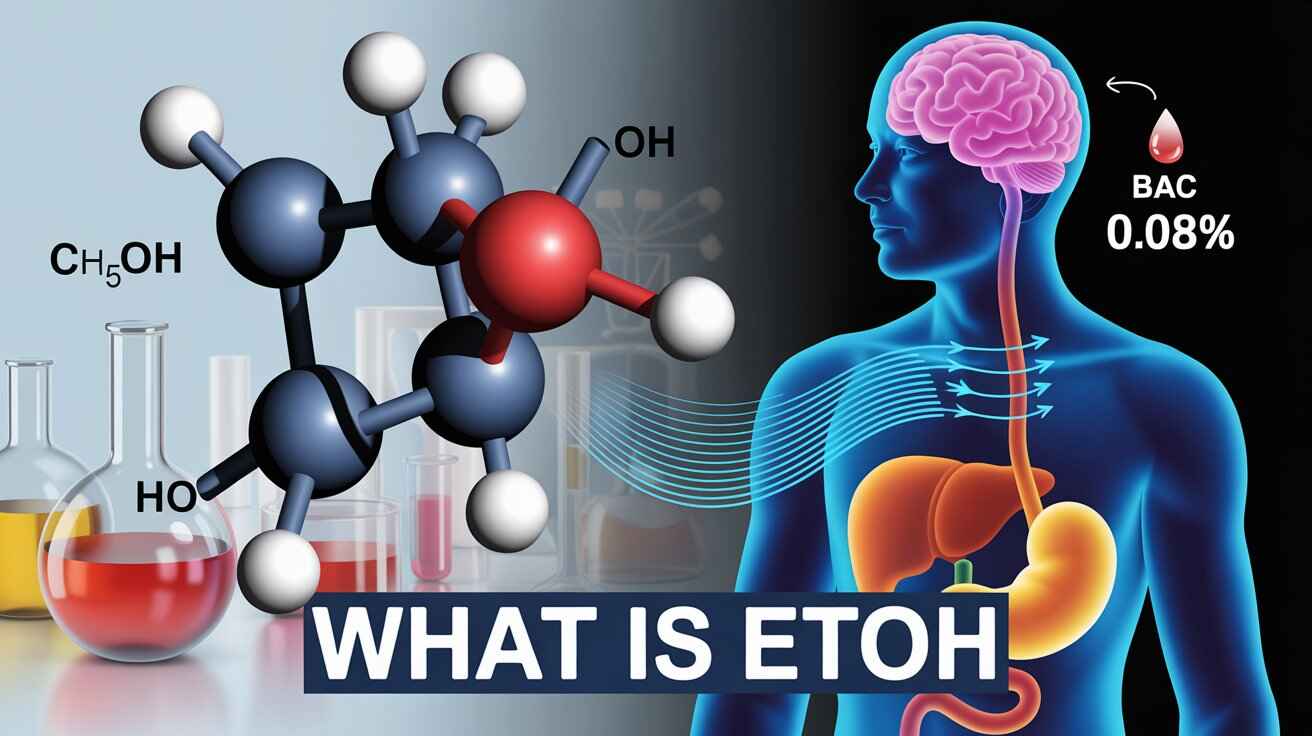
If you’ve ever seen EtOH written in a medical report, lab result, or hospital chart, you may have wondered what it actually means. EtOH is the scientific abbreviation for ethyl alcohol — also known as ethanol — the type of alcohol found in beer, wine, and spirits. But the term carries more weight than just a chemical shorthand.
In healthcare, toxicology, chemistry, and addiction medicine, it represents far more than a beverage ingredient. It relates to metabolism, blood alcohol concentration (BAC), liver function, neurological effects, and public health risk. Understanding it clearly helps you interpret medical documents, make informed health decisions, and recognize potential risks associated with alcohol use.
This guide explains what it is, how it works in the body, how it appears in medical settings, and what safe use actually means — without unnecessary jargon.
What Is EtOH? Definition, Meaning, and Chemical Structure
EtOH stands for ethyl alcohol, the chemical compound commonly called ethanol. Its molecular formula is C₂H₅OH, which describes two carbon atoms (C), six hydrogen atoms (H), and one oxygen-hydrogen group (OH).
That “OH” group is what classifies it as an alcohol in organic chemistry. The prefix “Et” comes from “ethyl,” referring to the two-carbon chain attached to the hydroxyl group.
Ethanol is:
- A clear, volatile, flammable liquid
- A central nervous system depressant
- The only type of alcohol safe for human consumption (in moderation)
It’s important to distinguish EtOH from other alcohols, like:
| Type of Alcohol | Safe to Drink? | Common Uses |
| Ethanol (EtOH) | Yes (moderation) | Beverages, medicine, sanitizers |
| Methanol | No (toxic) | Industrial fuel, antifreeze |
| Isopropyl alcohol | No (toxic) | Disinfectants, cleaning agents |
Methanol and isopropyl alcohol can cause blindness or death if ingested. Ethanol, while consumable, still carries health risks when misused.
Why Medical Professionals Use the Term EtOH
Healthcare providers use EtOH instead of “alcohol” in:
- Emergency room notes
- Toxicology reports
- Blood alcohol testing
- Substance use documentation
Medical shorthand improves clarity and avoids ambiguity. For example, a chart might state “EtOH intoxication” or “positive EtOH level,” referring specifically to ethanol in the bloodstream.
How EtOH Affects the Body
Once consumed, it moves quickly through the body. Unlike food, it doesn’t require digestion.
Absorption and Distribution
Ethanol absorbs through:
- The stomach (about 20%)
- The small intestine (about 80%)
From there, it enters the bloodstream and circulates to organs, including the brain. Because ethanol crosses the blood-brain barrier easily, neurological effects appear quickly.
Brain and Nervous System Effects
It acts as a central nervous system depressant. It enhances the activity of GABA (an inhibitory neurotransmitter) and suppresses glutamate (an excitatory neurotransmitter).
This results in:
- Relaxation
- Lowered inhibitions
- Slower reaction time
- Impaired judgment
At higher levels, speech becomes slurred, coordination decreases, and decision-making worsens.
Liver Metabolism: What Happens After You Drink
The liver processes about 90% of consumed ethanol through enzymes:
- Alcohol Dehydrogenase (ADH) converts ethanol into acetaldehyde
- Acetaldehyde (toxic) is converted into acetate by ALDH
- Acetate breaks down into carbon dioxide and water
Acetaldehyde contributes to hangover symptoms and cellular damage. The liver can metabolize roughly one standard drink per hour. Drinking faster than that increases blood alcohol concentration.
Blood Alcohol Concentration (BAC) Explained
BAC measures the percentage of alcohol in the bloodstream.
| BAC Level | Typical Effects |
| 0.02% | Mild relaxation, slight mood change |
| 0.05% | Reduced coordination, impaired judgment |
| 0.08% | Legal intoxication (U.S.), slowed reaction time |
| 0.15% | Major balance impairment, vomiting risk |
| 0.30%+ | Potential alcohol poisoning, medical emergency |
Understanding BAC helps explain why even small increases in consumption can sharply elevate risk.
Short-Term and Long-Term Health Effects of EtOH
The impact of EtOH depends on frequency, quantity, genetics, and overall health.
Short-Term Effects
- Slowed reflexes
- Poor decision-making
- Dizziness
- Nausea and vomiting
- Memory blackouts
- Increased risk of injury
Emergency departments frequently see cases of EtOH intoxication related to falls, vehicle accidents, and dehydration.
Long-Term Effects
Chronic ethanol exposure can lead to:
- Fatty liver disease
- Alcoholic hepatitis
- Cirrhosis
- High blood pressure
- Cardiomyopathy
- Increased cancer risk
- Depression and anxiety disorders
Alcohol also weakens immune function and can interfere with medications.
From a practitioner’s perspective, the long-term neurological effects — including cognitive decline and mood instability — are often underestimated by patients.
EtOH Use, Abuse, and Alcohol Use Disorder (AUD)
Not all alcohol use equals addiction. But patterns matter.
Use vs Misuse vs Dependence
- Use: Occasional consumption within guidelines
- Misuse: Drinking beyond recommended limits
- Dependence: Physical reliance and withdrawal symptoms
The DSM-5 defines Alcohol Use Disorder (AUD) based on criteria such as:
- Inability to cut down
- Increased tolerance
- Withdrawal symptoms
- Continued use despite harm
Warning signs include secrecy, frequent intoxication, neglecting responsibilities, and needing alcohol to relax.
Early intervention significantly improves outcomes.
Other Uses of Ethanol Beyond Drinking
EtOH has legitimate and important applications beyond beverages.
Industrial and Medical Uses
- Solvent in pharmaceuticals
- Carrier in liquid medications
- Hand sanitizers and disinfectants
- Fuel additive (bioethanol)
- Laboratory reagent
Ethanol’s antimicrobial properties make it effective in hand sanitizers, typically at concentrations of 60–90%.
What Is Denatured Alcohol?
Denatured alcohol is ethanol mixed with toxic additives to make it undrinkable. It is used for:
- Cleaning
- Industrial fuel
- Manufacturing
This prevents taxation as a beverage product and discourages misuse.
Safe Consumption and Risk Reduction
Understanding moderation is key.
What Is a Standard Drink?
In the U.S., one standard drink equals:
- 12 oz beer (5% alcohol)
- 5 oz wine (12% alcohol)
- 1.5 oz distilled spirits (40% alcohol)
Moderate Drinking Guidelines
According to U.S. health guidelines:
- Women: Up to 1 drink per day
- Men: Up to 2 drinks per day
These are upper limits, not recommendations.
Signs of Alcohol Poisoning
Seek emergency care if someone shows:
- Slow or irregular breathing
- Unconsciousness
- Pale or bluish skin
- Vomiting while unconscious
Alcohol poisoning can suppress breathing and become fatal.
From clinical experience, many emergencies occur not from daily drinking but from binge patterns — rapid consumption over short periods.
Conclusion: Understanding EtOH Beyond the Abbreviation
EtOH is more than a chemical shorthand. It represents ethanol — a substance with widespread social, medical, and industrial relevance. While moderate consumption may fit within cultural norms, ethanol is still a psychoactive drug that affects metabolism, brain chemistry, and long-term health.
Knowing how EtOH works in the body, what BAC means, and where risks begin empowers better decisions. Whether you encountered the term in a lab report or out of curiosity, clarity replaces confusion.
If you or someone you know struggles with alcohol use, early education and professional support can make a significant difference. Understanding EtOH is the first step toward informed awareness and responsible action.
Frequently Asked Questions
What does EtOH stand for?
EtOH stands for ethyl alcohol, also known as ethanol. It is the type of alcohol found in alcoholic beverages and commonly referenced in medical and laboratory documentation.
Is EtOH the same as ethanol?
Yes. EtOH is simply the chemical abbreviation for ethanol, derived from its molecular structure.
Why do hospitals write EtOH instead of alcohol?
Medical professionals use EtOH for precision in documentation. It specifies ethanol as the substance involved in intoxication, lab tests, or toxicology reports.
How does EtOH damage the liver?
The liver metabolizes ethanol into acetaldehyde, a toxic compound that can damage liver cells. Chronic exposure may lead to fatty liver, inflammation, and cirrhosis.
What BAC level is dangerous?
A BAC above 0.30% is potentially life-threatening. Even levels above 0.15% significantly increase the risk of vomiting, aspiration, and injury.
What are the early signs of alcohol misuse?
Increasing tolerance, drinking alone, hiding alcohol use, and difficulty limiting intake are early warning signs.
