

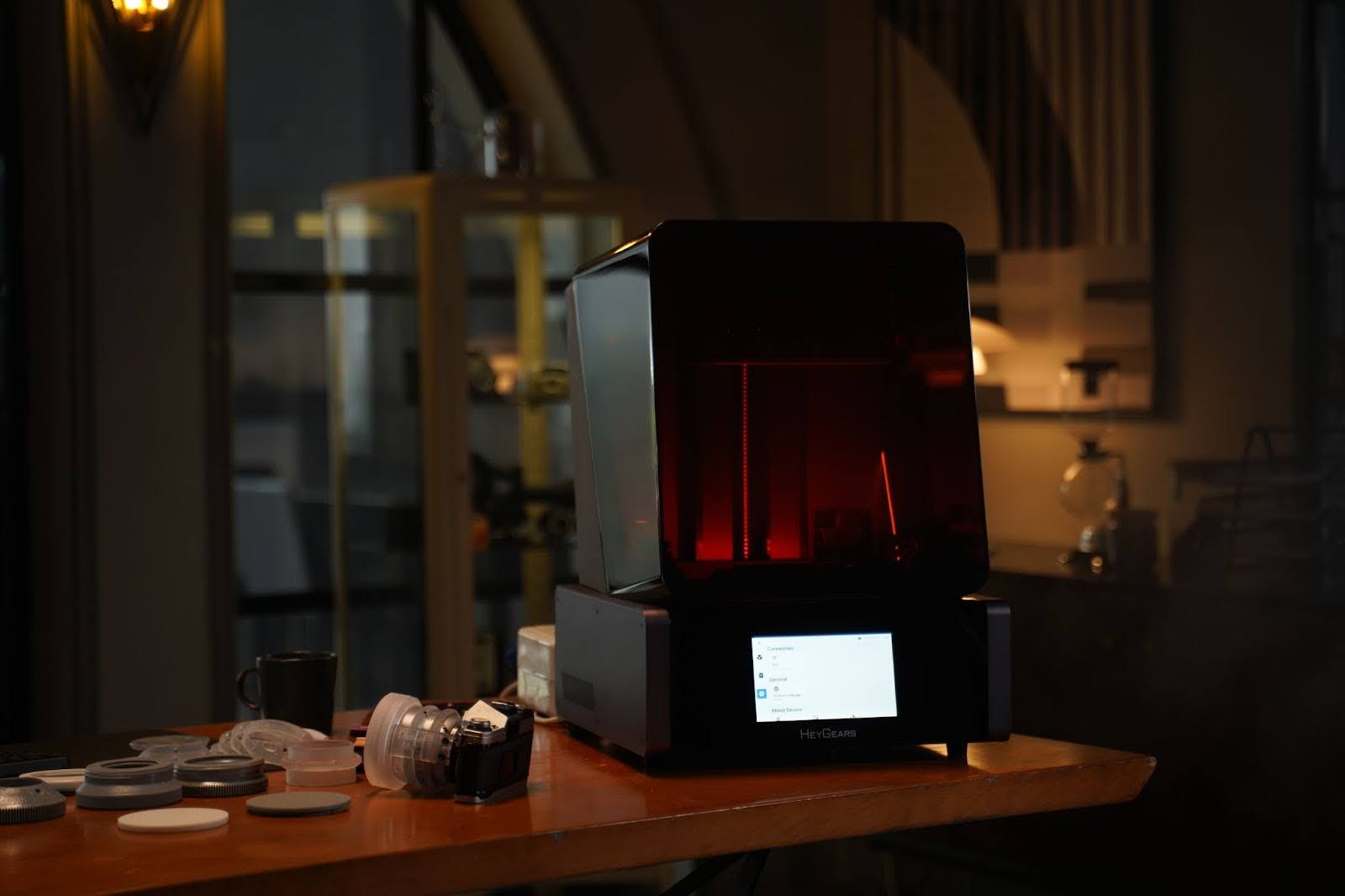
Ten years ago, purchasing a desktop fabrication tool meant buying a box of disparate parts. Today, the landscape has fundamentally shifted. Users no longer just want hardware; they demand a streamlined workflow. Consequently, finding the best 3d printer now involves evaluating a complete, interconnected system rather than just a standalone frame and nozzle.
High-performance output requires more than just rigid mechanics. It requires a synchronized dance between software, material science, and hardware.
The Symbiosis of Software and Hardware
The era of constant tinkering is fading rapidly among professionals. Serious hobbyists demand consistency over customization. This evolution is particularly evident in stereolithography. A modern resin 3d printer is now expected to function as part of a holistic solution.
Closed-Loop Intelligence
In the past, slicers were generic tools requiring manual configuration. Now, manufacturers develop proprietary software that communicates directly with the hardware. This integration ensures that the machine understands the exact geometry and supports required.
Advanced algorithms now analyze model topology to generate optimal support structures automatically. This removes the guesswork that often plagues entry-level devices. The software is no longer a separate utility; it is the brain of the ecosystem.
Automated Material Management
An ecosystem approach often includes smart material management. Modern machines utilize RFID tags or pre-set profiles to identify the loaded liquid. This prevents the common error of printing with incorrect exposure settings.
A resin 3d printer within an ecosystem knows its chemistry. It adjusts lift speeds and light intensity based on the fluid’s viscosity. This ensures high-fidelity results without manual calibration, bridging the gap between industrial reliability and desktop accessibility.
Streamlining the Dirty Work
Specifications on a technical sheet are often misleading. While high resolution matters, usability reigns supreme. The best 3d printer is no longer defined solely by its micron accuracy, but by how little it bothers the user. The goal is to make the technology invisible.
The Integrated Wash and Cure
Post-processing has historically been the biggest pain point for liquid-based manufacturing. A standalone resin 3d printer is inherently messy and requires strict safety protocols. Handling toxic fluids and sticky residues can deter adoption in office environments.
However, the ecosystem model addresses this by integrating washing and curing stations directly into the workflow. These accessories are no longer afterthoughts. They are synchronized with the main unit to ensure the wash cycle matches the specific resin formulation.
Eliminating Environmental Variables
Temperature fluctuations and dust are enemies of precision. Ecosystems now incorporate environmental controls directly into the build chamber. Active heating systems maintain optimal viscosity, regardless of the room’s ambient temperature.
When a device handles these variables autonomously, it elevates the user experience. The resin 3d printer effectively acts as a reliable partner rather than a tool requiring constant supervision. This reliability is what separates professional ecosystems from toy-grade gadgets.
Connectivity and Long-Term Value
The final piece of the modern ecosystem is connectivity. The Internet of Things (IoT) has permeated the fabrication space. This allows for remote monitoring and management, which is crucial for long print jobs that span overnight.
Users can now pause or cancel a failing job from their smartphone, saving time and resources. Whether managing a single unit or a farm, cloud integration provides essential data analytics. It tracks usage history and success rates to optimize production.
Furthermore, the best 3d printer ecosystems provide over-the-air firmware updates. This keeps the machine current with the latest features and security patches. It ensures the hardware evolves.
To summarize, a true ecosystem offers:
- Remote Control: Managing prints from anywhere.
- Data Analytics: Tracking resin usage and success rates.
- Continuous Improvement: Software that gets better with age.
Conclusion
The industry has moved on from the days of DIY kits. Users now expect reliable tools that just work. The goal is the final print, not the struggle to create it.
So, finding the best 3d printer means looking past the hardware specs. You have to consider the software, materials, and cleaning steps. In the end, a strong ecosystem is what makes a modern resin 3d printer worth the investment.
