

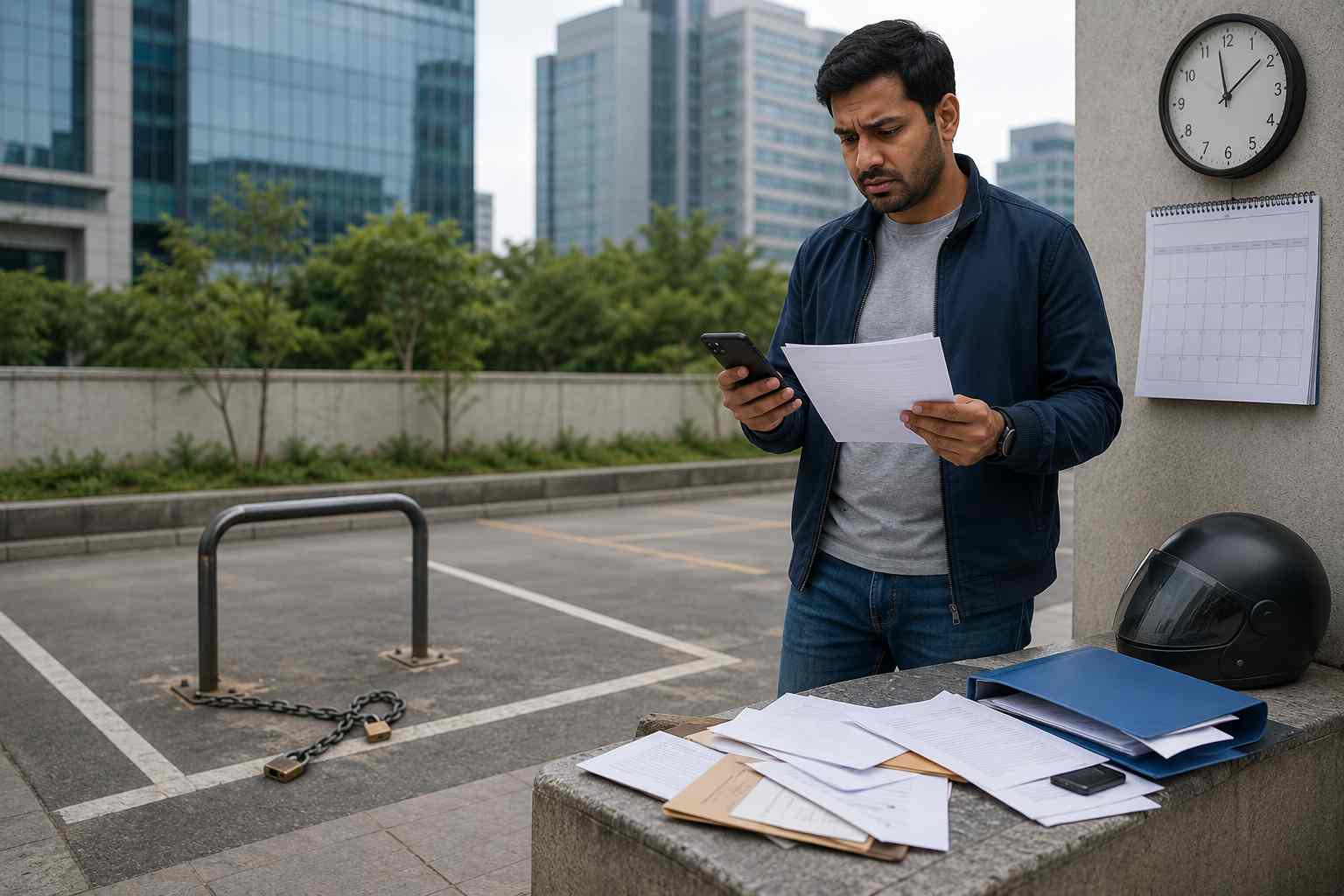
Bike theft can create immediate stress, especially when you need to manage reporting, documentation, and claim-related steps together. During this phase, a small delay or an incorrect detail can slow down the claim process. Bike insurance can support you after theft, but the settlement depends on timely reporting, accurate documents, and clear communication with the insurer.
In this article, you will explore the common mistakes that can delay a bike theft insurance claim and how you can avoid them with timely, accurate action.
Delaying the FIR Filing
The FIR is the first formal record of the theft. Without it, the insurer may not be able to begin proper claim verification. Many bike owners waste time hoping the bike will be found nearby. That delay can create unnecessary questions later.
Keep these points in mind:
- Visit the nearest police station as soon as you notice the theft.
- Share the registration number, location, time, colour, and model correctly.
- Take a clear copy of the FIR for claim submission.
Not Informing the Insurance Company Promptly
After the FIR is filed, the insurance company should be informed without delay. The claim team needs to record the incident and guide you on the next steps. Waiting for the police investigation to end before contacting the insurer is a common mistake.
Avoid these delays:
- Register the theft claim early.
- Note down the claim reference number.
- Respond to calls, emails, or document requests from the insurer.
- Share updates if the police provide any new information.
Incomplete Documentation
Theft claims require proper paperwork, as the bike is not available for physical inspection. Missing documents can slow down claim review, even when the theft is genuine. Most insurers may ask for documents linked to identity, ownership, policy details, police reporting, and vehicle registration.
Keep these ready:
- FIR copy and claim form.
- Bike insurance policy copy.
- Registration certificate.
- Driving licence and identity proof.
- Bike keys, where available.
- Police report or No-Trace Report, when issued.
- RTO-related forms, if requested.
Losing Both Keys
Bike keys often become an important part of claim verification. They show that the vehicle was handled responsibly before the theft. Losing one or both keys does not mean every claim will face rejection, but unclear answers can delay the process.
Be honest about:
- When the key was lost.
- Whether the insurer was informed earlier.
- Where the spare key was kept.
- Whether the same detail is mentioned consistently in all documents.
Not Transferring Ownership to Insurer
Once the theft claim reaches an advanced stage, the insurer may ask you to complete the formalities for ownership transfer. This is usually needed because the bike may be recovered after settlement. Many people think the process ends once documents are submitted, but RTO formalities can remain.
Do not delay:
- Signing required transfer forms.
- Submit original documents when asked.
- Completing the financier consent if the bike had a loan.
- Checking that names and signatures match official records.
Ignoring Policy Terms
Every bike insurance policy has terms that guide how theft claims are reviewed. Reading only the summary page may not be enough. A claim may depend on whether the policy was active, whether theft coverage applied, and whether ownership details were correctly recorded.
Before filing, review:
- Policy validity on the date of theft.
- Type of policy purchased.
- Registration and owner details.
- Hypothecation details, if the bike was financed.
- Claim intimation requirements.
Providing Incorrect Information
Incorrect information can create avoidable delays. Insurers usually compare details across the FIR, the claim form, the registration certificate, the policy copy, and the supporting documents. Even a small mismatch may require clarification.
Common errors include:
- Different theft timings in different papers.
- Wrong registration number.
- Incorrect parking location.
- Mismatch in owner name or address.
- Missing details about the previous key loss.
- Unclear statements about who last used the bike.
Delay in Submitting Claim Form
Many policyholders inform the insurer but delay filing the claim form. This can hold up the next stage because the form records essential details about the theft. You do not always need to wait until every document is ready. Ask the insurer which documents can be shared first and which can be shared later.
To avoid delay:
- Fill the claim form carefully.
- Avoid blank fields unless they do not apply.
- Attach available documents.
- Track pending papers.
- Keep copies of everything you submit.
Conclusion
Theft claims become smoother when you act early, stay accurate, and keep documents organised. File the FIR promptly, inform the insurer, submit the claim form, preserve key details, and complete RTO formalities when required. Bike insurance can offer important financial support after theft, but the process depends on transparent communication and compliance with policy terms.
