

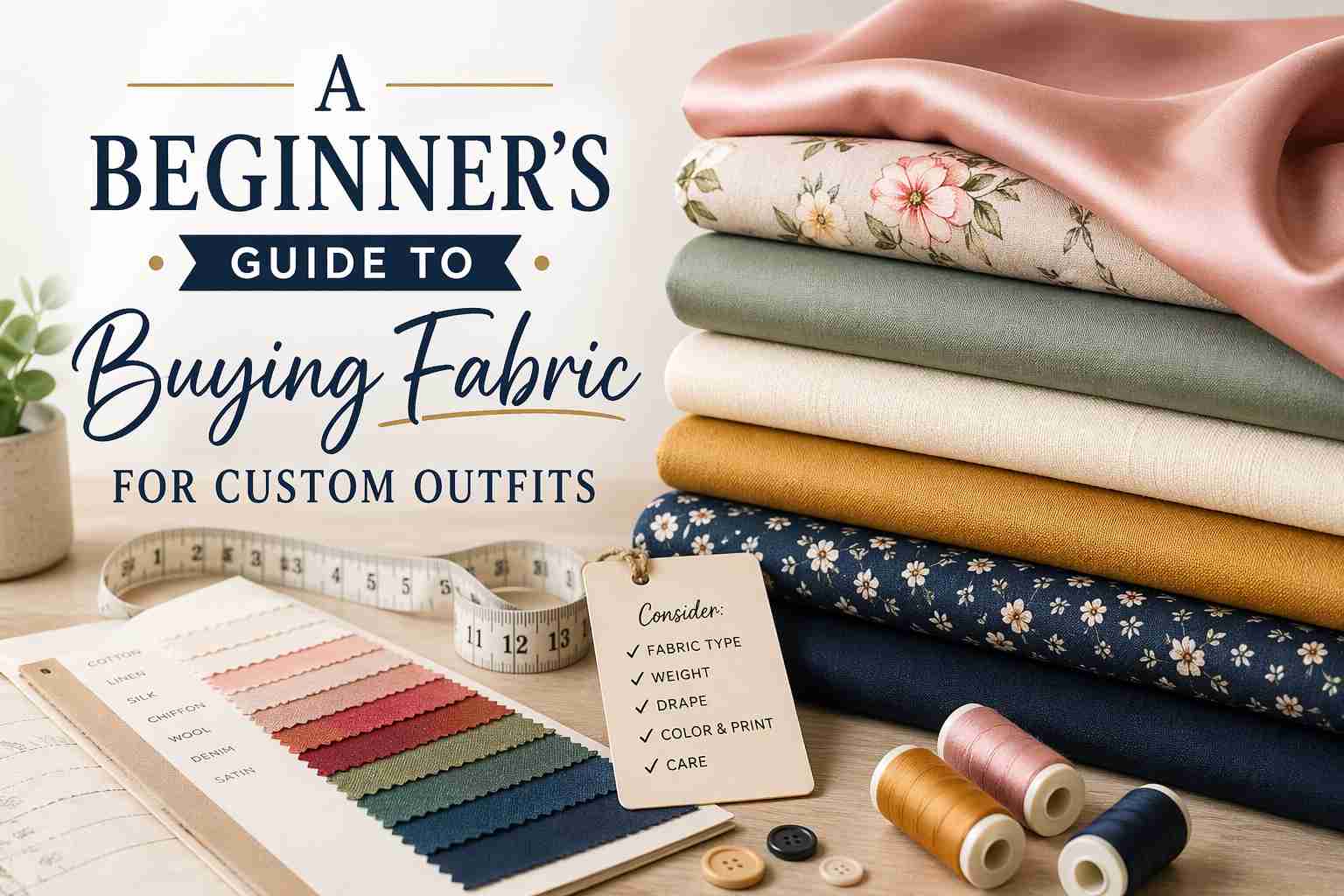
Getting started with custom outfits can feel exciting and overwhelming at the same time. Unlike ready-made clothing, where everything is decided for you, custom outfits give you complete control—from fabric choice to final stitching. That freedom is what makes the process appealing, but it also requires a bit of understanding before you make your first purchase.
If you’re new to buying fabric, the goal isn’t just to pick something that looks good. It’s about choosing material that works well for your needs, fits your lifestyle, and translates into a well-stitched outfit. With the right approach, you can avoid common beginner mistakes and make confident decisions from the start.
Start with the Purpose of the Outfit
Before exploring fabrics, be clear about why you’re buying. Is it for everyday wear, work, or a special occasion? Each purpose demands a different type of fabric.
For example, lightweight and breathable materials work well for daily use, while richer textures may be better suited for formal outfits. Having a clear purpose helps narrow down your options and prevents unnecessary confusion.
Understand Fabric Types
One of the first things beginners struggle with is understanding fabric categories. You’ll come across terms like cotton, lawn, linen, chiffon, and blends. Each has its own texture, weight, and comfort level.
Cotton-based fabrics are generally easy to manage and comfortable, making them a good starting point. Blended fabrics may offer durability, while more delicate materials require careful handling. Knowing the basics will help you choose something that aligns with both comfort and functionality.
Pay Attention to Weather and Season
Fabric selection should always match the climate. Choosing a heavy material for warm weather or a very light one for colder months can make the outfit uncomfortable to wear.
Seasonal collections are usually designed with this in mind, so paying attention to fabric weight and breathability can guide you in the right direction. This simple consideration makes a big difference in how often you’ll actually wear the outfit.
Focus on Fabric Quality
Quality isn’t always obvious at first glance. A fabric might look appealing, but may not hold up well after stitching or washing. Pay attention to details like softness, thickness, and how the fabric falls.
If you’re shopping in person, take a moment to feel the material. If you’re buying online, read the descriptions carefully and look for clear images. Investing a bit of time here can prevent disappointment later.
Choose Colors and Prints Wisely
As a beginner, it’s tempting to go for bold patterns or trendy colors. While there’s nothing wrong with experimenting, it’s often better to start with something versatile.
Neutral tones, subtle prints, and balanced designs are easier to style and can be worn on multiple occasions. Once you’re more confident, you can gradually explore more distinctive options.
Understand How Much Fabric You Need
Another common challenge is estimating fabric quantity. Buying too little can disrupt your design, while buying too much may lead to unnecessary expense.
Consult your tailor or follow standard guidelines based on the type of outfit you want. Having a rough idea beforehand ensures that your purchase matches your requirements.
Consider the Full Outfit Cost
Fabric is just one part of the process. Stitching, lining, and additional details all contribute to the final cost. Beginners often focus only on the fabric price and overlook these extra expenses.
Planning helps you stay within budget and avoid surprises. It also allows you to decide whether a particular fabric is worth the overall investment.
Take Advantage of the Right Buying Time
Timing plays an important role in fabric shopping. Prices and availability change throughout the season, and understanding this can help you make better decisions.
Around the middle of seasonal cycles, you’ll often notice an unstitched sale that offers a balance between pricing and variety. This is usually the point where you can explore different options without feeling restricted, making it a good opportunity for beginners to experiment while staying within budget.
Work with a Reliable Tailor
Even the best fabric won’t deliver good results without proper stitching. As a beginner, it’s important to work with a tailor who understands your preferences and can guide you through the process.
Discuss your design ideas clearly and be open to suggestions. A good tailor can help you make the most of your fabric choice and ensure the final outfit matches your expectations.
Avoid Rushing the Process
Custom outfits require patience. From selecting fabric to final stitching, each step takes time. Rushing decisions often lead to mistakes that could have been avoided.
Take your time to explore options, compare choices, and think through your decisions. A thoughtful approach always leads to better results.
Final Thoughts
Buying fabric for custom outfits doesn’t have to be complicated. Once you understand the basics—purpose, quality, timing, and planning—the process becomes much easier and more enjoyable.
As you gain experience, your choices will become more refined, and you’ll develop a clearer sense of what works for you. The key is to start simple, stay practical, and make each purchase with intention.
