


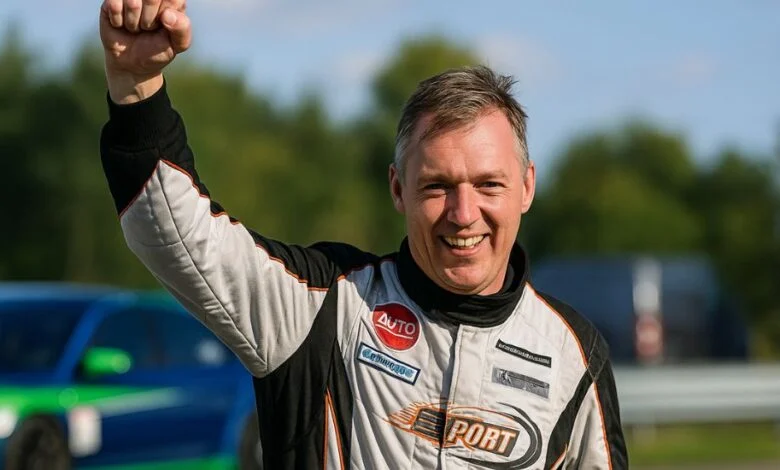
Most assume Jeroen Dik became the “Tuning Yoda” through marketing genius or social media hype. Wrong. His reputation in the VAG tuning community emerged from customers witnessing diagnostic precision that borders on mechanical telepathy. Based in Lochem, Netherlands, Jeroen Dik Engineering doesn’t chase dyno queens or Instagram builds; the workshop prioritizes what enthusiasts actually drive daily.
Since 2002, his approach challenged conventional wisdom about performance modifications and aesthetic aspects. While competitors focus on raw power at any cost, his engineering expertise balances longevity with capabilities that surprise seasoned racers. The deep passion isn’t about brand loyalty to Volkswagen Audi Group platforms; it’s recognition of their untapped potential when someone understands intricacies beyond surface-level tuning. That intuitive understanding separates respected figures from parts installers calling themselves tuners.
Why Enthusiasts Choose Jeroen Dik Engineering
Here’s the uncomfortable truth most won’t admit: pick any ten “tuned” VAG vehicles, and seven have compromised reliability for bragging rights. The workshop in Lochem became a go-to place precisely because hands-on involvement in every project prevents that disaster.
What Actually Matters:
- Founder’s direct involvement isn’t micromanagement, it’s quality assurance rooted in decades of seeing failures
- Proven track record since 2002 means witnessing every trend, fad, and shortcut that destroys transmissions
- Motorsport-validated expertise translates to understanding stress points under sustained load, not just pulls
- A comprehensive approach addresses why weight distribution matters more than most realize for suspension dynamics
- Long-term reliability focus prevents the 10,000km grenading everyone whispers about, but nobody admits
Customers return because attention to detail reveals itself six months later when competitors’ buildings start showing cracks. Direct access to engineering knowledge accumulated through trial, error, and honest assessment of what actually works separates this from operations following forum trends.
The Jeroen Dik Tuning Philosophy: Performance Meets Reality
Forget the romantic narratives about childhood passion and tinkering with engines. The tuning philosophy emerged from witnessing too many expensive failures—cars built by people confusing horsepower with engineering.
His approach defies traditional boundaries that everyone accepts without question. Why do tuners assume more boost automatically means better? Because they don’t understand vehicle systems as interconnected organisms. Each modification must complement the car’s existing architecture, taking into account aerodynamics and how the suspension responds under acceleration versus braking.
Philosophy Reality Check:
- Holistic system integration sounds boring until your “stage 3” competitor needs a tow truck
- Careful balance between performance, style, and longevity isn’t a compromise, it’s actual engineering
- Simple ECU remap versus full-fledged engine rebuild depends on goals, not ego
- Achieving the best possible performance without compromising reliability requires saying “no” to customers sometimes
- Daily driving capability with track use potential means understanding that most will never see a circuit
This explains why Jeroen Dik Engineering gained a loyal following in the tuning community. Enthusiasts who’ve owned multiple builds recognize the difference between fast and fast-for-more-than-one-season.
Innovation and Future Vision: EV Tuning Challenges Everything
Let’s jump to what actually matters now: most tuners are terrified of electric vehicles because their entire business model evaporates. He’s already exploring integration of tuning methods for EVs, which requires abandoning two decades of exhaust and turbo expertise.
The growing popularity forces uncomfortable questions about what “tuning” even means. Enhancing performance in EVs focuses on driving dynamics and thermal management rather than air-fuel ratios. Looking ahead, sustainability isn’t marketing fluff; it’s an engineering constraint that demands innovation.
With a dedicated team of engineers and technicians, the workshop expansion serves enthusiasts, recognizing that pouring money into dying ICE platforms might not age well. The cutting edge of new technologies means admitting half your knowledge became obsolete overnight. That intellectual honesty separates adapters from dinosaurs complaining about “real cars.”
Jeroen Dik’s Impact on the VAG Tuning Community
Here’s where the industry gets uncomfortable: most “tuners” gatekeep knowledge to maintain a competitive advantage. His profound impact came from doing the opposite: active presence at events, technical seminars, and workshops, teaching aspiring engineers what actually works versus what looks good on Instagram.
Beyond his own workshop, mentoring other tuners seems counterintuitive until you realize raising standards for the entire community benefits everyone. Sharing knowledge with the next generation means fewer horror stories about “my tuner said this was fine” before catastrophic failure.
Through engineering work, particularly within the VAG segment, he inspired countless enthusiasts to delve deeper rather than just ordering stage kits. Focus on quality, precision, and actual driving experience helped raise expectations—now customers ask better questions instead of just demanding “more low.”
Influence will be felt for years because he contributed to the wider tuning scene, understanding that expertise requires humility about what you don’t know.
The Birth of Jeroen Dik Engineering (2002-Present)
Jumping back chronologically because origin stories matter less than outcome—opening doors in 2002 happened because the existing tuning landscape frustrated him. The goal wasn’t revolutionizing anything; it was offering high-quality modifications without the nonsense.
Located in Lochem, the workshop gained a reputation for excellence by consistently delivering results that exceeded expectations without the drama. Building a strong following among Volkswagen, Audi, and related models fans happened because customers flocked to honesty as much as horsepower.
| Workshop Evolution | Reality vs. Marketing |
| Founded | 2002 (before Instagram ruined everything) |
| Location | Lochem, Netherlands (not flashy, just functional) |
| Specialization | VAG Platform knows these inside out |
| Key Factor | A hands-on approach actually touches the cars |
| Community Role | “Tuning Yoda” (earned, not self-proclaimed) |
Whether increasing engine output, refining suspension systems, or enhancing visual appeal, the team’s approach stayed consistent: do it right or don’t do it. That boring commitment to process explains why they’re still relevant while competitors chasing trends disappeared.
Signature Projects and Notable Builds
Throughout his career, working on numerous high-profile projects, something interesting emerged: the impressive builds aren’t the 800hp monsters everyone photographs. They’re the fully customized Audi S3s that owners actually drive 20,000km annually without issues.
Notable projects include tuned Volkswagen Golf GTIs making “only” 400hp but with precise handling that embarrasses cars with double the power. High-performance Passat models prove platform matters less than execution. Put enough engineering expertise into a sedan, and it’ll surprise sports cars on track.
Project Realities:
- Vehicles outfitted with bespoke turbochargers matched to transmission capabilities (novel concept, apparently)
- Custom exhaust systems balance sound quality with actual flow rather than just being loud
- Enhanced suspension kits maintain comfort because nobody admits they drove their “track car” once
- Performance brakes creating functional machines that stop as well as they accelerate
- Regular appearances on race tracks, actual competition, not dyno events
Key milestones include involvement in motorsport, where tuned cars earned several podium finishes. Success in racing validates the approach because circuits don’t care about your Instagram following. Additionally, work garnered recognition at tuning events across Europe, particularly annual VAG Treffen gatherings where Volkswagen and Audi enthusiasts can spot authentic builds versus show ponies.
Who Is Jeroen Dik? Beyond the “Tuning Yoda” Label
The founder’s reputation didn’t emerge from clever branding; it came from decades of study, practice, and experimentation that built an intuitive understanding of mechanics most can’t articulate. Particularly drawn to Volkswagen and Audi brands, not for sentimental reasons but recognition of their engineering precision and performance potential when properly exploited.
From a young age drawn to how engines functioned, spending hours learning what happens when you change one variable. That early exposure to automotive engineering sparked a foundation, but real expertise came from breaking things, fixing them wrong, then learning why.
His deep understanding of engineering and mechanics was honed through years of failures nobody talks about in success stories. The meticulous tuner’s reputation grew as people realized he could diagnose issues through sounds and behaviors that seemed like mechanical telepathy but were actually just pattern recognition from thousands of builds.
Establishing Jeroen Dik Engineering meant creating space where quality and innovation mattered more than volume. The team shares a commitment to shaping not just power but understanding why certain modifications work together while others fight each other.
From Childhood Passion to Professional Reality
Skip the romantic narrative, love for cars started like everyone else’s, tinkering and breaking parents’ equipment. What separated trajectory was recognizing that passion without methodology just creates expensive mistakes.
A small town surrounded by nature, family played a significant role, but not in inspiring ways most assume. Parents valuing self-expression meant freedom to fail without judgment, which taught more than formal education ever could. Teachers noticed talent, but real learning happened in workshops, making expensive errors on personal vehicles.
Technical engineering provided theoretical frameworks that made sense of practical experimentation. Journey began with personal passion, like many in the tuning community, but transformation happened when theoretical knowledge met hands-on reality and contradicted textbook assumptions.
Deep understanding came from working on simple ECU remaps that should have worked but didn’t, then investigating why the vehicle’s systems rejected supposedly “proven” modifications. Taking into account factors like weight distribution and aerodynamics sounds obvious now, but it was learned through suspension setups that handled terribly despite perfect calculations.
Formative experiences included builds that looked perfect but drove poorly, teaching that engineering precision means nothing without driving dynamics validation. That groundwork, failing intelligently, and learning systematically created an approach prioritizing overall driving experience over specification sheets.
Conclusion
From enthusiastic car lover to revered figure, Jeroen Dik’s journey proves dedication and expertise outlast hype cycles. Through Jeroen Dik Engineering, he transformed not just cars but also influenced the broader tuning community’s focus on precision, performance, and longevity over social media validation. As “Tuning Yoda,” his name became synonymous with high-quality engineering that continues inspiring car enthusiasts and tuners globally.
For those looking to push vehicles to the limit intelligently, he remains the leading authority offering a complete approach to building cars that excel in power and performance without the predictable failures. Commitment to excellence, combined with forward-thinking exploration of sustainable methods for electric vehicles, ensures legacy resonates beyond current platforms. The future looks bright asthe automotive landscape shifts, but only for those willing to adapt while maintaining engineering principles that always mattered more than trends suggested.
Frequently Asked Questions
Where is Jeroen Dik Engineering actually located, and does that matter?
Lochem, Netherlands not exactly the tuning capital of the world, which proves location matters less than expertise. Workshop serves European VAG enthusiasts who’ve learned flashy addresses don’t equal quality work.
What vehicles does the workshop specialize in, and why VAG specifically?
Exclusive focus on Volkswagen, Audi, SEAT, and Skoda platforms because specialization beats being mediocre at everything. VAG architecture rewards deep understanding more than other manufacturers’ systems.
When was this established, and how has longevity affected the approach?
Founded in 2002, bringing over two decades of watching trends come, fail, and get rebranded. Experience means recognizing which “innovations” are actually just repackaged mistakes from 2008.
What actually defines the tuning philosophy beyond marketing speak?
Careful balance between performance, style, and longevity through holistic system integration. Modifications must enhance handling without compromising the car’s long-term reliability, boring but true.
Does the workshop handle electric vehicle tuning, or is that just future-talk?
Already exploring EV performance enhancement methods because waiting until you’re forced to adapt is how businesses die. Focusing on improving driving dynamics while maintaining sustainability as technology evolves.

